
In Italy there is a sepsis alarm; it kills 10 times more than HIV patients, 4 times more than cancer patients, 5 times more than those with a stroke, and 10 times more than those with heart attacks.
A seemingly minor infection can be enough to overwhelm the immune system and become life-threatening, yet the cause remains unknown. Sepsis spares no country; it is a global public health crisis. It is a condition in which the body's response to an infection involves tissues and organs, and it can be fatal in up to 50% of cases. It can be triggered by seemingly minor infections such as influenza, bacteria, and fungi.
Let's see exactly what the experts say.
This phenomenon is closely linked to bacterial resistance to antibiotics, as it increases the spread of infections and hinders treatment. In some areas of the world, such as Australia, Great Britain, the United States, and Brazil, mortality from this phenomenon has been reduced by 20%. To achieve this, sufficient treatment and rehabilitation facilities are needed, as well as trained personnel to handle this emergency and assist patients with sepsis.
What are the risk factors?
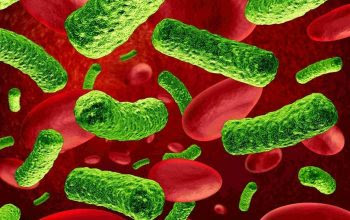
Sepsis can be caused by two factors: infection of sterile tissue by bacteria, fungi, or viruses, or an exaggerated systemic inflammatory response. The microorganisms most commonly involved in septic episodes are: Escherichia coli, Klebsiella spp., Pseudomonas spp., Candida spp ., and methicillin-resistant Staphylococcus aureus (MRSA).
Inflammation is a weapon our body uses to fight infections. In sepsis, the inflammatory response becomes exaggerated and systemic, spreading throughout the body and causing coagulation disorders. Under these conditions, the heart is forced to pump blood more forcefully, while the organs suffer from a reduced supply of oxygen and nutrients.
Everyone is at risk, but it is higher for the very young and the elderly. Other causes can include alcohol and drug abuse, kidney or liver failure, AIDS, cancer, cancer therapies, pneumonia, urinary tract infections, meningitis, diabetes, and burns. The risk increases in those in intensive care (especially those who are intubated and/or have urinary catheters).
Di Giovanni Barreca September 19, 2019
From: https://www.notizieora.it/allarme-sepsi-in-italia-uccide-piu-dellhiv/