
By Vincent Richeux, Aude Lecrubier
Paris, France – The large Lancet observational study suggesting excess mortality in hospitalized patients receiving hydroxychloroquine with or without azithromycin has severely hampered research on hydroxychloroquine as a potential treatment for COVID-19.
Is this response justified, proportionate? Some doubt it.
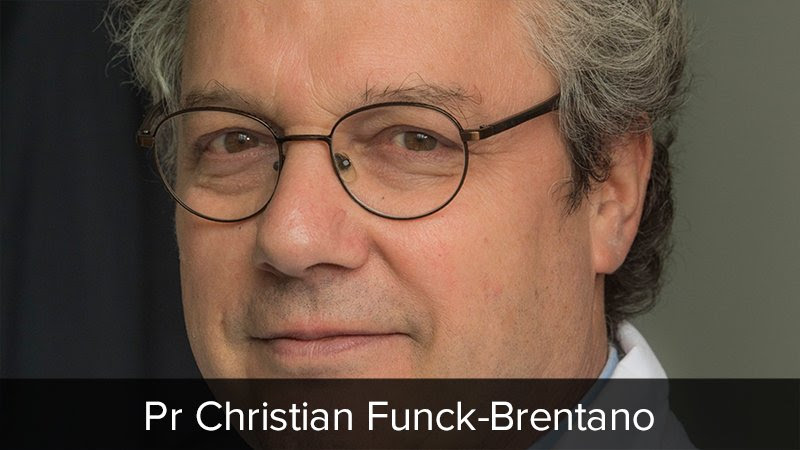
We asked Professor Christian Funck-Brentano, a cardiologist and pharmacologist at the Pitié-Salpêtrière Hospital and co-author of a recent pharmacovigilance analysis of several million internationally issued adverse reaction reports (WHO database). This work confirmed that hydroxychloroquine, but especially azithromycin and the combination of both, had a harmful impact on the cardiovascular system, even if this toxicity remains rare.
According to him, the authorities have grounds to suspend enrollment in the hydroxychloroquine arms of ongoing studies, but doubts remain. He explains why…
Mixed reactions to the Lancet results
In France, following the Lancet findings, the High Council for Public Health (HCSP) recommended against the use of hydroxychloroquine (alone or in combination with azithromycin) in the treatment of COVID-19, in both outpatient and hospitalized patients, regardless of severity. Furthermore, the ANSM announced, as a precautionary measure, the suspension of enrollment of patients infected with SARS-CoV-2 in the 16 clinical trials authorized in France to evaluate hydroxychloroquine. Finally, the government repealed the decree that allowed pharmacists to dispense hydroxychloroquine for COVID-19.
Meanwhile, the World Health Organization (WHO) temporarily suspended the hydroxychloroquine arm of its international SOLIDARITY trial, which aims to find an effective treatment for COVID-19.
However, some question the study's methodology and are requesting access to the raw data, such as epidemiologist James Watson (University of Oxford), in an open letter to the authors that garnered over 180 signatures, and Professor Didier Raoult (IHU, Marseille), who described the study as "appalling." Raoult, in an interview with Sud Radio, reported having submitted an article about the cohort treated at the IHU to The Lancet, which was "rejected without review." The abstract, available online, mentions a mortality rate (proportion of Covid-19 positive patients who died) of 0.9%, QT prolongation in 0.67% of cases, and no torsades de pointes.
Furthermore, not all clinical trials measuring the effectiveness of hydroxychloroquine have been halted following the publication of the Lancet study. Unlike the WHO, McGill University in Montreal, Canada, decided to continue its trial; none of the 1,000 patients enrolled have experienced a cardiac arrhythmia to date. And in the UK, the National Health Service also decided to resume its RECOVERY trial after finding no safety concerns.
Some criticize the suspension of hydroxychloroquine prescriptions and accuse it of excessive caution, while others welcome the common-sense measures. We asked Professor Christian Funck-Brentano, cardiologist and pharmacologist at the Pitié-Salpêtrière Hospital (AP-HP) in Paris, for his opinion.
Medscape: Could the cardiovascular risk associated with hydroxychloroquine, azithromycin, and the combination of the two products be higher in patients with COVID-19 than in the usual indications for these treatments?
Prof. Christian Funck-Brentano: Yes, it's likely, because Covid-19 patients have factors that predispose them to developing heart rhythm disorders. One-third of patients infected with SARS-CoV-2 develop heart damage, and many already have a prolonged QT interval, which could be exacerbated by these treatments.
In your opinion, should the trials testing hydroxychloroquine for Covid-19 be stopped?
Professor Funck-Brentano: The authorities are being responsible in requesting the suspension of clinical trials. In this respect, they are right. But, if the analyses of the ongoing studies are reassuring, it is reasonable to expect that the clinical trials can resume. The associated cardiovascular risk appears low. I hope that the randomized trials will resume under the supervision of an independent monitoring committee, which can recommend stopping the study in the event of a warning sign. This is the only way to end the debate about the usefulness of hydroxychloroquine for this indication.
In your opinion, were the authorities correct in prohibiting pharmacies from dispensing hydroxychloroquine for the Covid-19 indication?
Professor Funck-Brentano: It is justified not to dispense hydroxychloroquine in pharmacies for COVID-19-related indications. Since the benefit has not been demonstrated, assuming any risk, however small, is unacceptable. This also keeps this treatment available for patients with lupus and rheumatoid arthritis.
Given the confirmed cardiovascular risk associated with hydroxychloroquine, should we expect a change in rheumatology practice?
Prof. Funck-Brentano: I don't believe it, and I don't want it to. The treatment is effective for this indication, and establishing cardiac monitoring is standard practice for these patients.
https://francais.medscape.com/voirarticle/3606007