
By: Elias El Hage
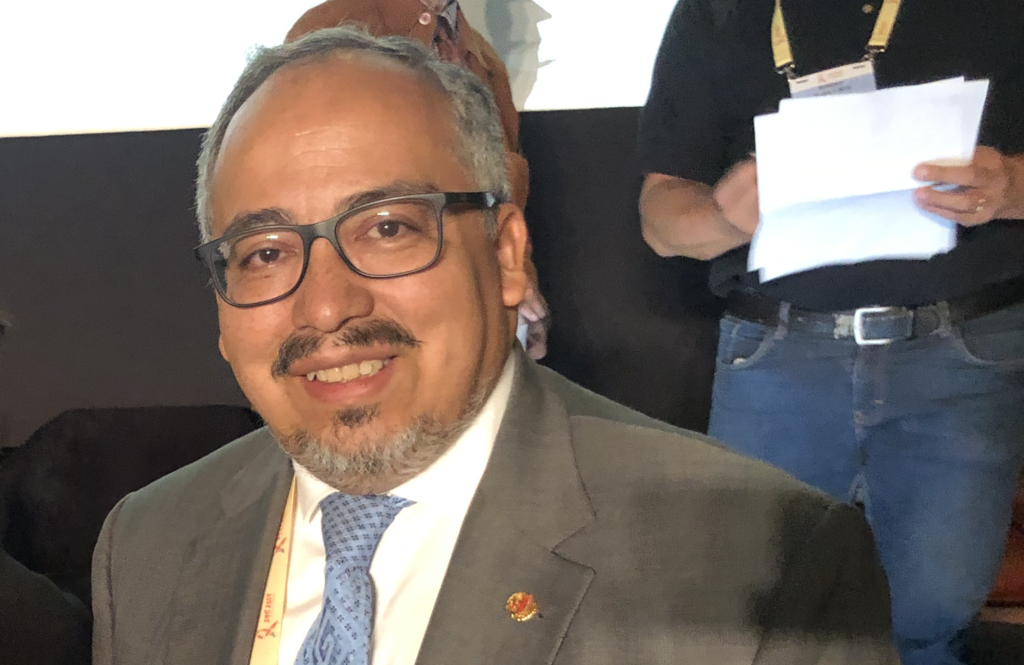
In the context of the X Congress of the International AIDS Society 2019, which took place in Mexico City from July 21 to 24, we interviewed the regional director of UNAIDS for Latin America and the Caribbean, César Núñez, who was present at the satellite event entitled: “The Collapse of the Health System and the HIV Crisis in Venezuela,” a conference that was open to all people registered at IAS 2019.
We asked her opinion regarding the presentations given there and what UNAIDS' position would be within the framework of the Master Plan designed for Venezuela for this year. These were her impressions:
I believe that, above all, we've heard how the collaboration between various partners can present a more comprehensive view of what's happening. The magnitude shouldn't only be measured in numbers; we also need to listen to the drama, and we have heard the drama. We've heard real drama, a country that is bankrupt, as one of the presenters rightly pointed out.
On behalf of UNAIDS, we are committed to the master plan to make it a reality based on the evidence emerging in the field. We aim for at least 85% of people who need treatment to receive the TLD, which has been programmed for this purpose. Obviously, we know that this is only part of the picture, and that we must complete the program with the other 15% who also need medication, and we understand that there is currently a challenge in meeting that demand. Overall, the results are positive. I believe that this 2019 IAS scientific conference in Mexico City has brought together many Latin Americans who can demonstrate that we in this region also have effective and efficient HIV response options.
There is currently enough medication to last until April 2020. The challenge is distributing this medication to every corner of the country. As Alberto Nieves also said: “We want the medication in people’s stomachs.”
We are already working with our colleagues at the Global Fund and with colleagues from international civil society to present arguments that would allow for a new disbursement to facilitate the purchase of additional medication. I believe this is work that won't end this year. We're talking about the medium term, not even the short term, but the medium term; and how to sustain it with a medication—as I mentioned earlier—that is very low-cost but highly effective.