
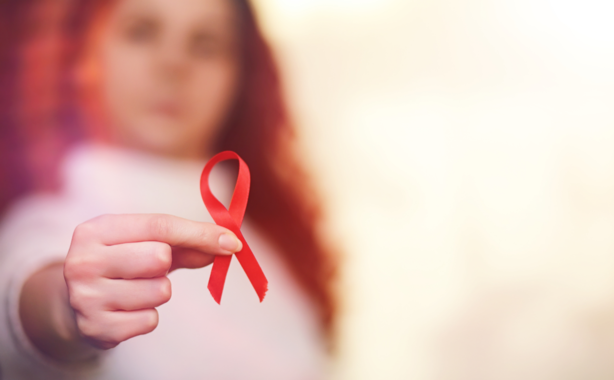
Three major milestones will make 2019 one of the key years in the fight against HIV, as important goals were achieved in the fields of prevention, treatment and the search for a cure for the infection.
In Spain, there were 3,244 new cases of HIV in 2018 and it is estimated that 9 diagnoses are made every day.
In April, the case of the London patient confirmed that the virus can be completely eliminated from a person's body; in July, the World Health Organization (WHO) updated the HIV treatment guidelines for the whole world, and in November pre-exposure prophylaxis (PrEP) began to be supplied in Spain.
Every December 1st, World AIDS Day is observed. Since the start of the pandemic, 74.9 million people have been infected with HIV worldwide, and 21 million have died from AIDS and related illnesses.
Currently, 37.9 million people are living with HIV, and last year alone, 1.7 million new cases and 770,000 deaths were recorded. In Spain, it is estimated that nine diagnoses are made every day. In 2018, there were 3,244 new cases in Spain, a figure very similar to that of 2017 (3,381), according to the latest data from the Ministry of Health.
Second case of healing in the world
This spring, the news that the international community had been waiting for since the first HIV cure 12 years ago finally arrived. The journal Nature published the case of a person treated in London who had completely eliminated the virus from their body after undergoing a stem cell transplant to treat lymphoma.
In April, Nature published the case of a person treated in London who completely eliminated the virus from their body after a stem cell transplant.
The work on the second case of cure in the world was led by University College London and was carried out within the framework of the international consortium IciStem, coordinated by the IrsiCaixa AIDS Research Institute (Barcelona) and the University Medical Center of Utrecht (Netherlands).
“A breakthrough like this provides invaluable information for everyone,” explains Javier Martínez-Picado, a researcher at IrsiCaixa and co-leader of IciStem. “It not only confirms that it is possible to cure HIV, but also opens up a range of questions for further progress.”
PrEP, finally in Spain
The Ministry of Health has approved funding for pre-exposure prophylaxis (PrEP) through the national health system this year. PrEP is a method of HIV prevention that involves taking a pill before engaging in sexual activity that could lead to infection.
It was approved by the European Medicines Agency (EMA) in 2016 and has been implemented for years in countries such as Germany, France, and Norway, where it has demonstrated an efficacy rate of over 90%. Its funding through the public healthcare system was a demand made by researchers and community centers.
“Despite the great prevention efforts, each year we manage to reduce the percentage of new infections by a smaller percentage. Implementing this measure is a key step to drastically lower new cases,” emphasizes Pep Coll, a researcher at IrsiCaixa, the Fight Against AIDS Foundation (FLS), and the BCN Checkpoint community center.
The importance of diagnosis
Similarly, this same week the WHO issued new recommendations to help countries reach the 8.1 million people living with HIV who have not yet been diagnosed and who, therefore, cannot receive life-saving treatment.
“The epidemic has changed dramatically in the last decade,” says Tedros Adhanom Ghebreyesus, director-general of the health institution. “More people are receiving treatment earlier, but far too many still aren’t getting the help they need because they haven’t been diagnosed.”
The WHO has issued new recommendations to reach the 8.1 million people living with HIV who have not yet been diagnosed.
HIV testing is key to ensuring that people are diagnosed early and begin treatment. At the end of 2018, there were 36.7 million people living with HIV worldwide. Of these, 79% had been diagnosed, 62% were on treatment, and 53% had reduced their HIV levels through sustained treatment, thus reducing the risk of transmitting the virus.
Treatment and resistance
Another fundamental pillar in the fight against AIDS is treatment to prevent infection. Currently, the key point for the WHO is preventing the emergence of resistance to first-line drugs, a growing problem worldwide.
One of the new developments this year is that dolutegravir, a drug that generates less resistance than the one previously used, is recommended as a first-line treatment for pregnant HIV+ women.
Similarly, a study published this year in The Lancet confirms that people with HIV who adhere to their treatment and have undetectable viral loads are unable to transmit the virus to their partners, even if they have unprotected sex. The authors believe these findings can significantly contribute to reducing the stigma surrounding HIV.
The long-awaited vaccine
Numerous research groups are working to advance the development of an HIV vaccine. In one of the most recent trials, researchers from the Spanish National Research Council (CSIC) are working with a combination of three immunogens.
This new prototype vaccine has already passed the safety and immune response trial phase with one hundred patients and is ready to move on to phases II and III of clinical efficacy trials. The results are published in the journal Lancet HIV.
This international project is a collaboration between the Bill & Melinda Gates Foundation and researchers from the U.S. National Institutes of Health (NIH). This phase 1b clinical trial demonstrates that the vaccination processes are safe and rapidly produce specific immune responses against HIV.
Currently there are only three clinical trials in South Africa that have reached clinical phase 2b, which evaluates the efficacy of the vaccines produced.
From: https://www.agenciasinc.es/Noticias/Estos-han-sido-los-hitos-del-VIH-en-2019