
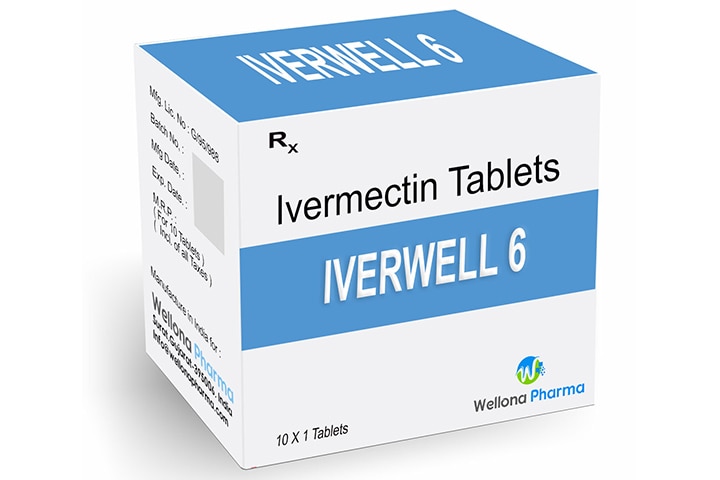
Ivermectin, an antiparasitic drug used to treat onchocerciasis and scabies, is being prescribed to treat COVID-19 in some parts of the world, but regulatory agencies recommend that randomized controlled trials be conducted before it is adopted for widespread use.
On April 3, researchers at Monash University in Australia demonstrated that ivermectin could inhibit SARS-CoV-2 in cell cultures, sparking a wave of enthusiasm for repurposing the drug as an antiviral at a time when few alternatives were available. Although the concentration of ivermectin used in vitro was much higher than the physiological levels used in human clinical trials, the positive findings circulated rapidly and have since been cited in more than 450 publications.
Some doctors, citing that study, have already begun to incorporate the off-label use of ivermectin into their COVID-19 treatment protocols, as in Peru and Bolivia, the ministries of health formally authorized the drug for this indication. Although the drug is relatively safe, some scientists are concerned that doctors are putting the cart before the horse by prescribing ivermectin for COVID-19.
"The pandemic creates a sense of urgency and we tend to take shortcuts, and that can be okay," said Carlos Chaccour, MD, PhD, of the Barcelona Institute for Global Health in Spain, who studies ivermectin in the context of a tropical disease.
"Scientific rigor is essential. People might say, 'What do you have to lose? It's a safe drug,' but no drug is free of side effects."
Although the mechanism by which ivermectin acts as an antiviral is unknown, it has also inhibited viral replication with other RNA viruses, including dengue virus and Zika virus.
Ivermectin can cause gastrointestinal side effects or skin rash and can be neurotoxic in rare circumstances. In a May 1 statement, the FDA said that the drug should be avoided in the absence of clinical trials.
The agency also issued a warning letter a week after the publication of the in vitro study, cautioning against the use of the veterinary formulation of ivermectin. Presumably, the letter was intended to protect the public from misinformation, following the death of a man in March from consuming chloroquine phosphate, an aquarium cleaner, when hydroxychloroquine (HCQ) was making headlines.
In Peru, demand for the drug increased after its authorization, leading some to resort to the veterinary formulation of the drug, which is used to treat heartworm and can cause serious harm to humans.
The FDA is concerned about the health of consumers who may self-medicate by taking ivermectin products intended for animals, thinking they can be a substitute for ivermectin intended for humans,” the agency stated. “People should never take animal drugs, as the FDA has only evaluated their safety and effectiveness in the specific animal species for which they are labeled.”
However, at doses not indicated for scabies, for example, ivermectin has a low side effect profile. With few alternatives available, some doctors jumped ahead of formal trials and began prescribing it for COVID-19.
Positive sign in Florida
Jean-Jacques Rajter, MD, a pulmonary care physician at Broward Health Medical Center in Fort Lauderdale, Florida, began using ivermectin to treat COVID-19 in critically ill patients after seeing promising findings from the in vitro study in April.
“At that time, dexamethasone, remdesivir, and convalescent plasma weren’t really on the market or were inaccessible because not enough people had recovered,” Rajter told MedPage Today. “There was nothing else.”
Rajter said he treated 15 to 20 patients during the second half of April with a standard dose of ivermectin for scabies and had a remarkably high success rate. Soon after, colleagues at Broward Health also began prescribing ivermectin, and Rajter and his wife and partner, Juliana Cepelowicz Rajter, MD, co-authored a preprint retrospective study of 280 patients, published in June.
In the study, which was not peer-reviewed, ivermectin was associated with a survival benefit among patients with severe COVID-19 compared to usual care. The association remained after adjusting for differences between groups, including the common use of azithromycin, hydroxychloroquine, and zinc.
“When this was published in preprint, other researchers from various regions replicated the study, including Peru, Brazil, Colombia, Bangladesh, Mexico, and Iraq,” said Jean-Jacques Rajter. “The success story we had in early April has been replicated in other smaller studies around the world.”
Trials conducted in Iraq, Bangladesh, and Mexico have shown positive results with ivermectin. However, the studies in Bangladesh and Mexico lacked a control group, and the study in Iraq treated only 16 patients with ivermectin.
Matthew Spinelli, MD, of the University of California, San Francisco, told MedPage Today in an email that positive anecdotal reports are "difficult to interpret given that most patients who are infected will recover on their own and clinical manifestations are highly variable for COVID-19."
The next HCQ?
Parallels have been drawn with ivermectin and HCQ: both reduced viral load in vitro and produced a signal that led to their being prescribed for compassionate use, said Zeno Bisoffi, MD, PhD, of the University of Verona in Italy.
“There were some observational study results that claimed hydroxychloroquine worked, but they were actually small studies with major methodological flaws,” Bisoffi told MedPage Today. “However, they were cited everywhere, so most doctors around the world were using hydroxychloroquine without evidence.”
"This is a mistake we want to avoid with ivermectin," Bisoffi said.
Both drugs were also embroiled in the Surgisphere Corp. scandal. In late May, flawed data from the shadowy company was used in a since-retracted Lancet study to demonstrate a survival benefit with HCQ.
A lesser-known earlier print study of 169 hospitals worldwide also used Surgisphere data to demonstrate that ivermectin reduced the need for mechanical ventilation and death. As with the HCQ study, the scientific community identified discrepancies in the Surgisphere ivermectin data, and the article was retracted, but not before it had been downloaded more than 15,000 times.
The document influenced political decisions in Latin America and was cited in a technical document advocating for the inclusion of ivermectin in Peruvian treatment guidelines.
The country's medical review board is also evaluating the positive results of another study in India, The Print reported. In Australia, a well-known gastroenterologist who repurposes medications, Thomas Borody, MD, PhD, director of the Centre for Digestive Diseases in Sydney, Australia, endorsed ivermectin as part of a triple-drug therapy, along with doxycycline and zinc, for outpatient COVID-19 cases.
"Ivermectin has been used in billions of prescriptions to date, and even at high doses, there are very few side effects when used for conditions like scabies," Borody told MedPage Today. "This combination of the three works so well that I think it's the way forward."
A call for more research
While ICU doctors may see ivermectin as something worth trying, others believe the evidence is still too limited.
The drug shouldn't be ruled out, but it's not ready for widespread clinical use either, Chaccour said. For example, it's still unclear whether it's safe to use in the context of a highly inflammatory syndrome, such as COVID-19, or in combination with other medications, he said.
Rajter said he initially used ivermectin as a "last resort." But now that he has seen positive results in his network of hospitals, he is frustrated by an intentionally slow review process.
The FDA is speeding up certain drugs, while "other treatments that have proven to be quite effective, such as ivermectin, have not seen the light of day," Rajter said.
Currently, there are more than 30 clinical trials testing ivermectin for COVID-19. Bisoffi is investigating high doses of ivermectin for mild infections, and Chaccour is also conducting a trial in Spain. A team at Johns Hopkins University is comparing ivermectin with bicalutamide and standard care among hospitalized COVID-19 patients.
It remains to be seen whether ivermectin passes the test in a randomized controlled environment, but scientists seem to agree that ivermectin warrants at least that much.
"It's a shame that so few randomized controlled trials have been conducted in the U.S. on potential treatments like this," Spinelli said.