
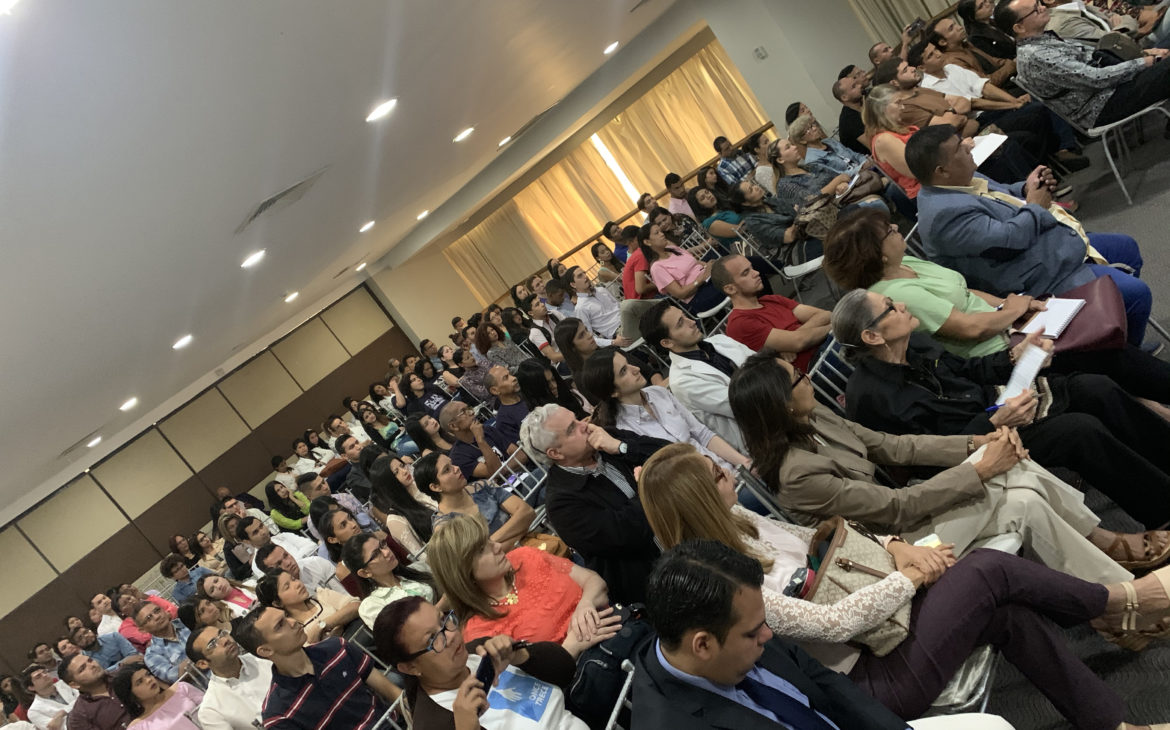
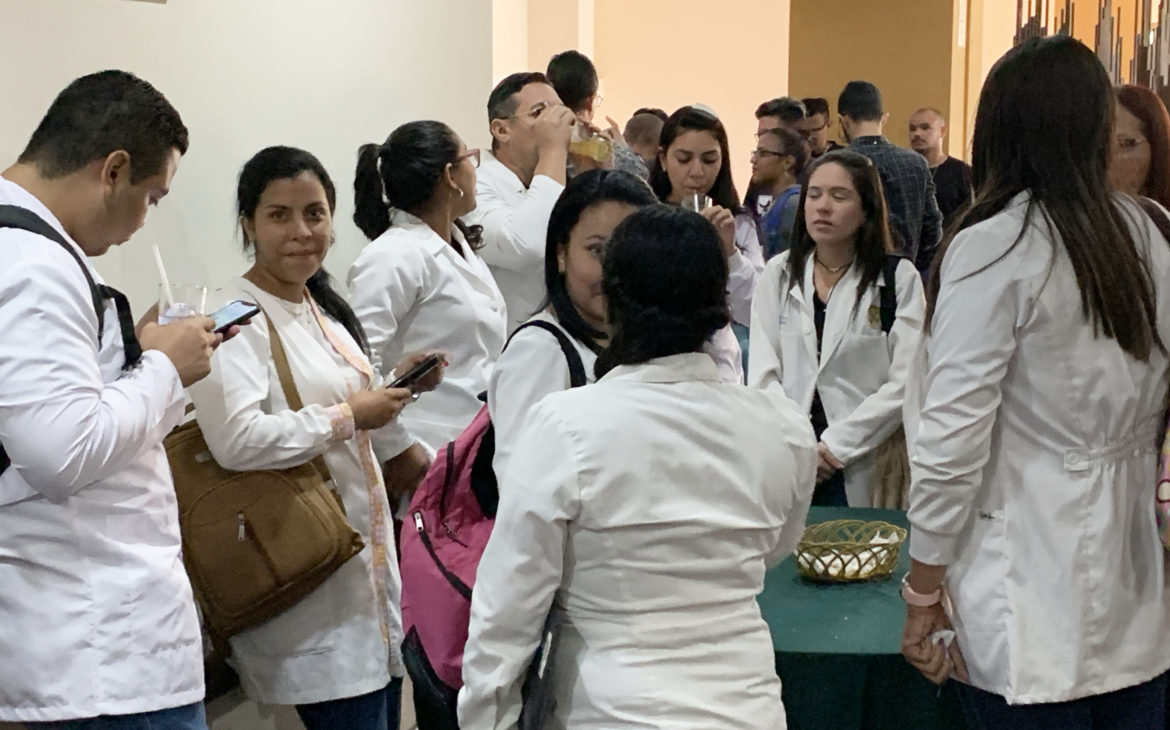
With a large attendance, including doctors, medical students, health personnel and human rights activists for people living with HIV, another edition of the “Update Day for the Prevention, Diagnosis and Treatment of HIV infection” was held, and this time, the city of Maracaibo was the venue for this event.
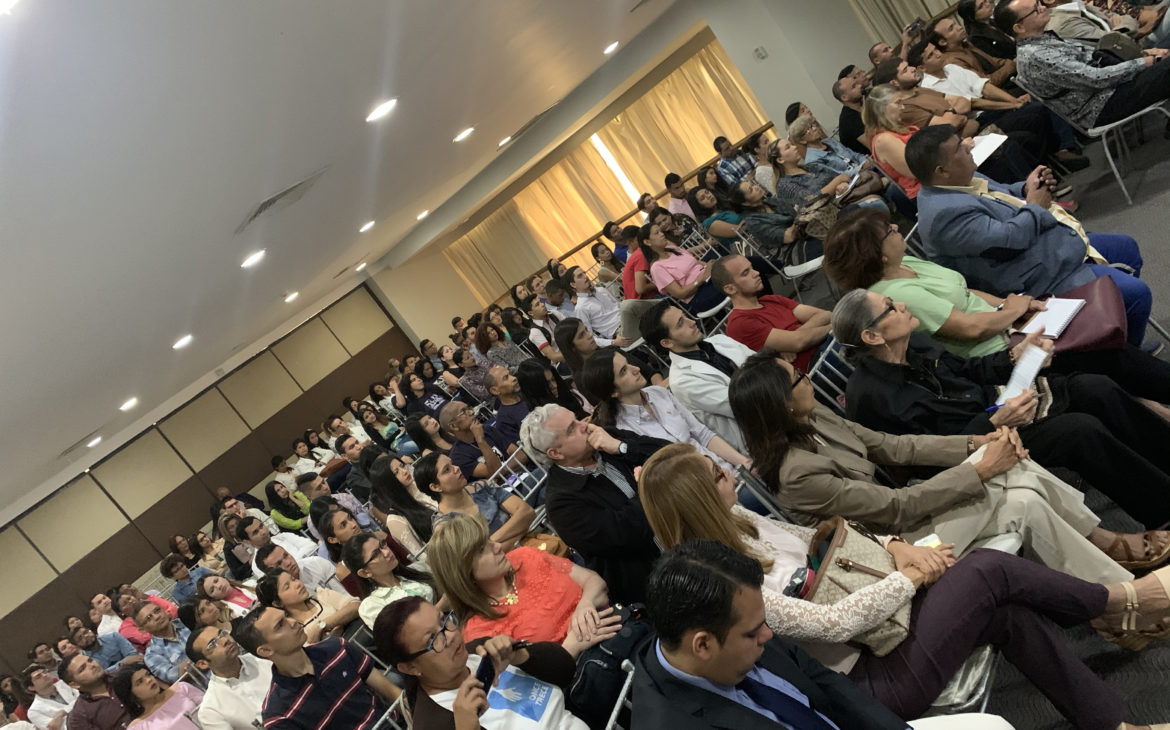
This initiative, organized by Project Once Trece With the support of the Venezuelan Society of Infectology, the event was held at the Tibisay Hotel del Lago last Saturday, February 28th, as part of a training program that has been taking place in several cities across the country. The purpose of this program is to promote new strategies in the prevention, diagnosis, and use of rapid HIV tests, as well as to address other fundamental issues that help to end the stigma and discrimination that exists against HIV-positive people in health centers.
Leading specialists from Caracas and Maracaibo were in charge of developing different presentations using data and audiovisual material that kept the attention of those present.
Dr. Mario Comegna, an infectious disease specialist and coordinator of the HIV clinic at the Vargas Hospital in Caracas, was in charge of presenting the current HIV situation in the country through the latest official data and projections that reflect a clear increase in the number of infections in Venezuela, highlighting the prevalence in the most vulnerable populations such as MSM (men who have sex with men), the trans population, TSW (female sex workers), and the indigenous population. Persons Deprived of Liberty In addition to the relationship between HIV infection and tuberculosis, Dr. José Rafael Núñez, an internist and immunologist specializing in HIV, reported on the current HIV situation in Zulia state. Dr. Martín Carballo, an internist and infectious disease specialist, director of the HIV clinic at the University Clinical Hospital in Caracas, then spoke, explaining the strategy designed to address the crisis that worsened between 2017 and 2018. This strategy, known as the “Master Plan for Strengthening the Response to HIV, Tuberculosis, and Malaria in the Bolivarian Republic of Venezuela from a Public Health Perspective,” involved the distribution of antiretroviral treatment and diagnostic tests.
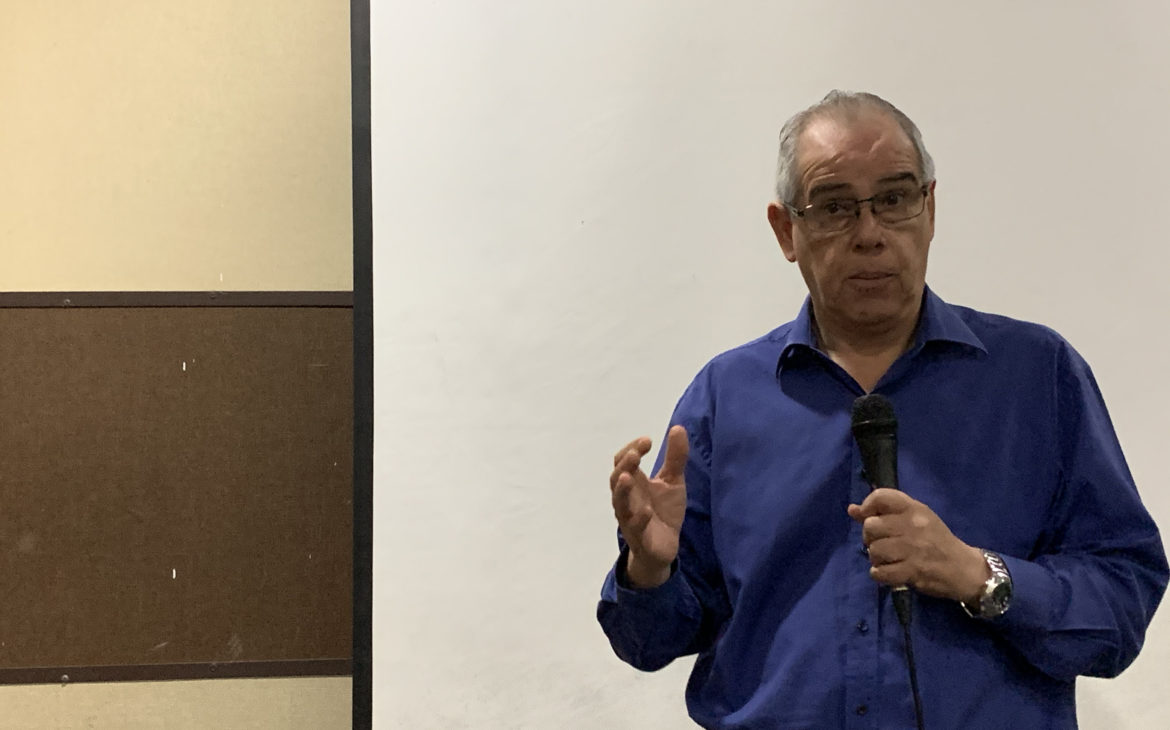
Dr. Yraima Lareal, an internist and virologist from the University of Zulia, reviewed the latest treatments available for this infection.
For his part, Dr. Álvaro Pérez, gynecologist and obstetrician, presented the latest developments in preventing vertical transmission, and Dr. María Graciela López, pediatric infectious disease specialist and president of the Venezuelan Society of Infectious Diseases, focused her presentation on the existing problem of the shortage of antiretroviral therapies in pediatrics, since they are not currently available in Venezuela, especially for children weighing less than 20 kg, and the lack of diagnostic tests for newborns of HIV-positive mothers under 18 months of age.
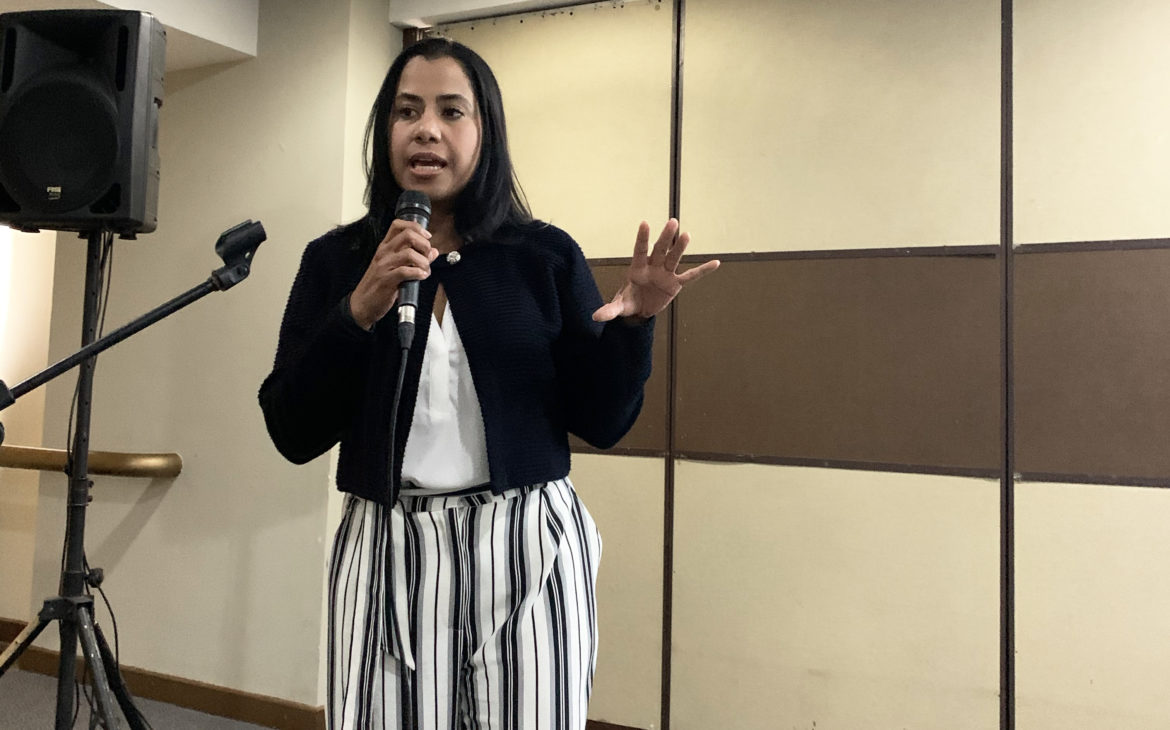
Dr. Pierina Nardonne, an epidemiologist and public health expert, spoke about new methods for preventing HIV infection such as PrEP, PEP, and the importance of getting tested, followed again by the intervention of doctors María Graciela López and Mario Comegna who, together, explained step by step how to perform rapid HIV tests.
In Venezuela, according to official data, only about 50% of the affected population has been diagnosed and treated, representing a serious public health problem, compounded by a lack of resources for the care of this disease. Rapid HIV tests have high sensitivity and specificity, making them an economical and safe alternative for early diagnosis of this infection.
The event also delivered a clear message against the stigma and discrimination faced by people living with HIV, especially considering that we are in a decade of significant progress with highly effective treatments to prevent the transmission of this virus. For this reason, the speakers emphasized the message of undetectable = untransmittable (u=u), urging all those doctors who were unaware of this positive development to understand that a person living with HIV who is on treatment and whose viral load is undetectable cannot transmit the virus. This is therefore a crucial epidemiological strategy for controlling the epidemic.
The day concluded with an audience satisfied with all the presentations, clearly demonstrating the importance of initiatives like this. Project Once Trece He pledged to continue conducting continuing medical education workshops in order to strengthen the training of professionals in Venezuela, bringing them the latest advances.