
16.03.2020 | By RTVE.es / AGENCIES
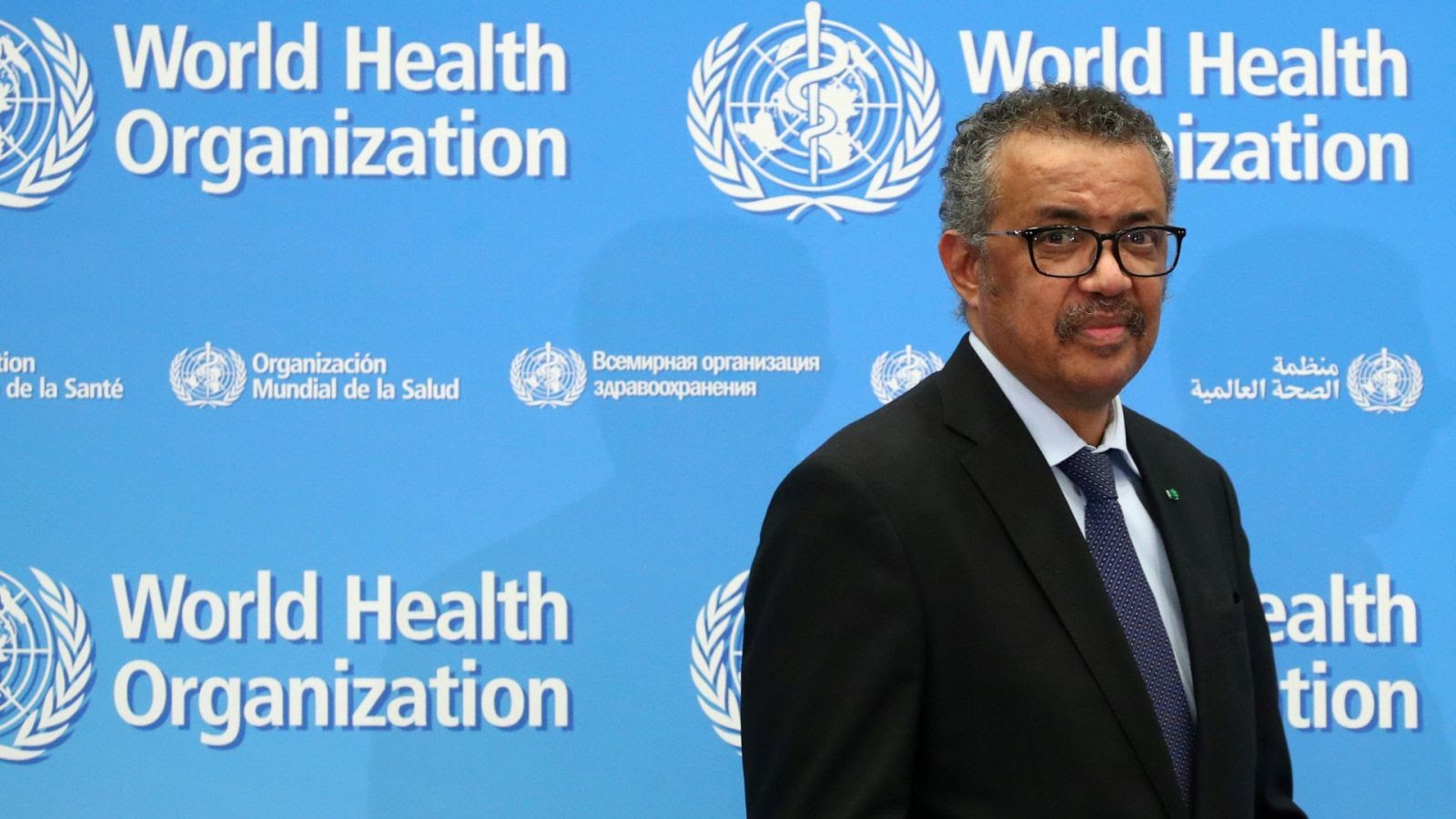
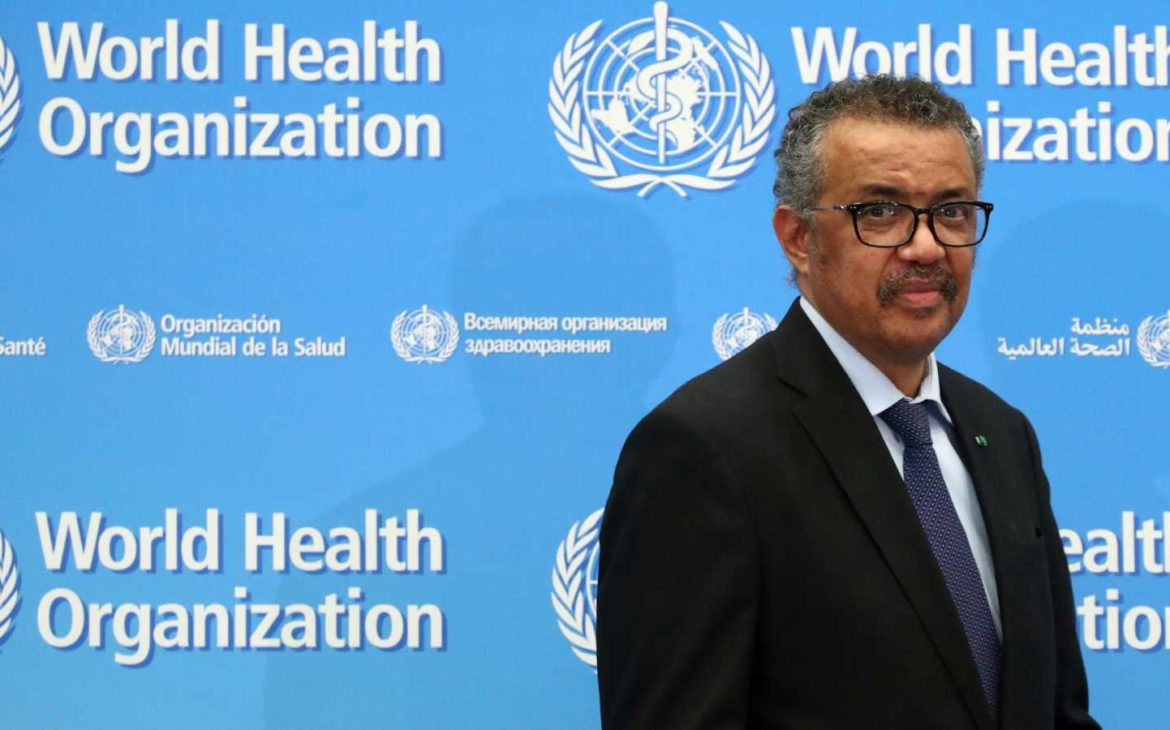
The Director-General of the World Health Organization (WHO), Tedros Adhanom Ghebreyesus. REUTERS/DENIS BALIBOUSE
The Director-General of the World Health Organization (WHO), Tedros Adhanom Ghebreyesus, on Monday called on countries affected by the coronavirus to conduct "one test for every suspected case," as it is "the backbone" of the response against Covid-19, the name given to the disease, which has already resulted in more than 160,000 infections and more than 5,000 deaths in over 150 countries worldwide.
In the daily press conference, the head of the world health organization noted that the number of cases outside China (around 83,000) now exceeds the 81,000 diagnosed so far in the country where the pandemic originated, and stressed that, although many countries are improving isolation measures, there is still work to be done in other areas.
"We are seeing a rapid increase in social distancing measures, such as school closures and the cancellation of sporting events and other mass gatherings, but we have not yet seen enough progress in testing , contact tracing and isolation, which is the key to the response," he said.
He urges an increase in testing.
In this regard, Tedros acknowledged that, although the population at highest risk of death from the novel coronavirus is people over 60, young people, and even children, have died. Therefore, he urged countries to increase COVID-19 testing .
"Social distancing measures can help reduce transmission while health systems can cope, and washing your hands or coughing into your elbow reduces the risk to yourself and others, but on their own they are not enough to extinguish this epidemic," Tedros said.
Thus, he explained that it is the combination of all these measures that can make the difference and that only by breaking the chain of contagion will this pandemic be overcome , and for this it is necessary to carry out diagnostic tests and isolate each case.
To do this, it is necessary to know exactly who is infected and likely to transmit the coronavirus, which can be achieved by finding all the people who had close contact with the positive case up to two days before they presented symptoms.
They are also calling for isolation for mild cases.
Furthermore, in the event of infection, Tedros stressed the need for all individuals, even those with mild symptoms, to isolate themselves in healthcare facilities to prevent transmission of the virus and receive appropriate medical care.
However, he acknowledged that "many countries" have already exceeded their capacity to care for people with mild cases , so priority must be given to the elderly and those with chronic illnesses. Therefore, if they must remain at home, Tedros advised that they be supervised by a healthy person, who should wash their hands after any contact with the patient or their immediate surroundings.
" Both the patient and their caregiver should wear a medical mask when they are together in the same room. The patient should sleep in a separate room and use a different bathroom," Tedros said, emphasizing the need to follow WHO guidelines at home.
They can still transmit the virus two weeks after developing symptoms.
On the other hand, he warned that those infected with COVID-19 can still infect other people after recovering and even without symptoms , so their isolation must continue for at least fifteen days after they stop having symptoms.
"They can still infect others after they stop feeling unwell, so the (isolation) measures should be extended for at least two weeks after the symptoms disappear," the Ethiopian doctor said at a press conference in Geneva, commenting especially on the situation of those recovering from the disease at home.
Therefore, Tedros added that in these cases, those caring for them must be healthy individuals not belonging to risk groups, they must wash their hands after coming into contact with the patient, and no other visits should be allowed.
The WHO Director-General has also urged the public to avoid stockpiling essential health items , such as medicines, as this can create shortages of drugs and other products needed for medical care.