
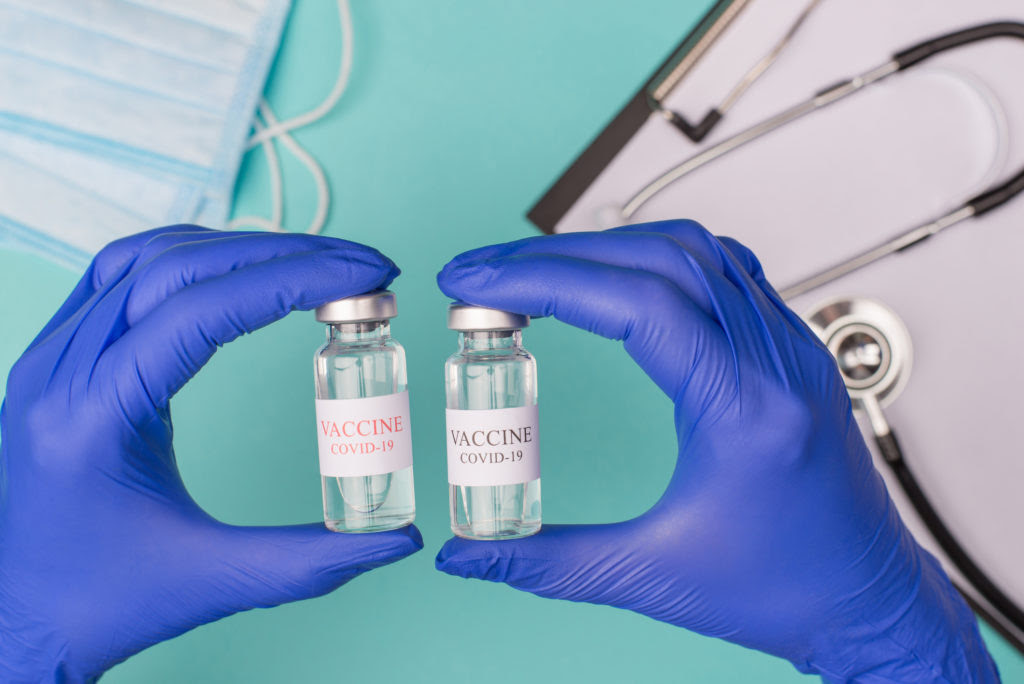
Experts indicate that the period between the two doses can only be extended in exceptional cases and for a limited time, depending on the epidemiological situation in each country.
The Pfizer/BioNTech COVID-19 vaccine protocol establishes a period of 21 to 28 days for administering both doses to the same person. This timeframe is recommended by the United Nations Strategic Advisory Group of Experts on Immunization, which met last Tuesday in Geneva.
Nevertheless, experts indicate that the period between both doses can be extended for a limited time in exceptional cases and depending on the epidemiological situation of each country, as well as the availability of vaccines.
The dilation period that countries could choose between the first and second dose is a maximum of six weeks.
“While we acknowledge the lack of information on the safety and efficacy of a dose beyond three or four weeks, the Group has made a provision for countries that are in exceptional epidemiological circumstances and vaccine shortages so that they can delay the second dose by a few weeks with the aim of maximizing the number of individuals who can benefit from a first dose,” said Alejandro Cravioto, a member of that Group.
Reactions to the vaccine
In this regard, another recommendation from the Expert Group is to administer the vaccine in appropriate locations. Therefore, the Advisory Group advises that the vaccine be administered in a place where medical resources are available to treat any potential anaphylactic shock and provide appropriate follow-up for the allergic reaction.
Conversely, experts point out that they “were unable to make a recommendation due to the lack of existing scientific information” regarding the administration of the vaccine to pregnant women. Despite this, they believe that for those working in the healthcare sector, the risks of vaccination are lower than those of not being vaccinated.
Meanwhile, the Director-General of the World Health Organization, Tedros Adhanom Ghebreyesus, has stated that the world has entered a new phase of the pandemic, where solidarity is more necessary than ever. For this reason, he has asked governments to consider the epidemiological situation in their countries and “take appropriate measures” based on the data.
“We call on all countries to increase testing and sequencing of the virus so that we can effectively monitor and respond to any changes,” said Tedros Adhanom Ghebreyesus, Director-General of the World Health Organization.
Therefore, he stated that we must all act for the most vulnerable who need help right now and minimize contacts during this critical period, while governments must support people who need to isolate or quarantine themselves.
The WHO director also advocates for the protection of workers and health systems, as well as saving the lives of patients affected by delays in treatments for diseases such as cancer.
Primary care
The WHO official also spoke about how the health situation should be addressed in the future. “We can’t only remember health when we have an emergency,” the expert emphasized.
Tedros has also called for "ensuring truly integrated primary health care systems that effectively prevent, screen and treat" not only infectious diseases but also chronic diseases such as diabetes, cancer and heart and lung diseases.
“Health is an investment in overall development, fundamental to prosperous economies and a key pillar of national security,” says World Health Organization Director-General Tedros Adhanom Ghebreyesus