
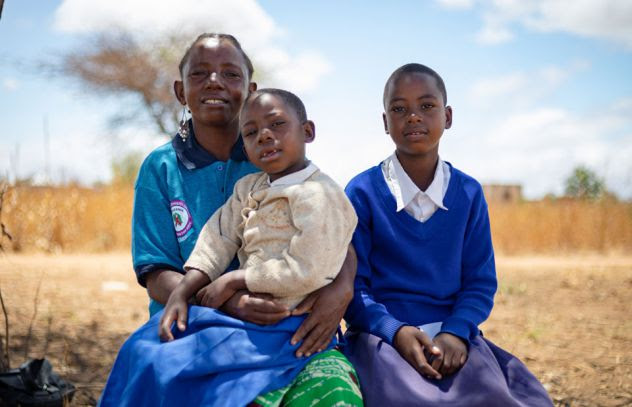
GENEVA, 11 October 2019: There are currently approximately 1.1 billion girls in the world. The largest generation of girls in human history. A new generation of formidable and unprecedented young women demands action and accountability on the many issues that affect them, from climate change to girls' education, gender equality, ending early, forced and child marriage, menstrual health and eliminating gender-based violence.
On the International Day of the Girl, which this year is taking place under the theme "GirlForce: Unscripted and Unstoppable," UNAIDS reaffirms the imperative to empower, invest in, and engage adolescent girls and young women in shaping the AIDS response and broader health and development agendas.
“Gender inequality, harmful gender norms and the epidemic of gender-based violence continue to prevent millions of girls from exercising their rights and reaching their full potential,” said Gunilla Carlsson, Executive Director of UNAIDS. “Investing in the empowerment, rights and health of adolescent girls is one of the most important investments of our time.”
Multiple and interrelated sociocultural, economic, and health problems increase the vulnerability of girls and young women to HIV, and the most socially and economically marginalized girls and young women are the hardest hit by the epidemic. In 2018, approximately 6,000 adolescent girls and young women (aged 15–24) were newly infected with HIV each week. The majority of new infections occurred in sub-Saharan Africa, where four out of five young people aged 15–19 who were infected with HIV were female.
Furthermore, gender inequalities and gender-based violence are forcing thousands of girls into marriage and motherhood. Worldwide, 12 million girls under the age of 18 are married each year, and 20,000 girls under the age of 18 give birth every day in developing countries. Early marriage often means that girls find it difficult to negotiate safer sex within marriage, making them especially vulnerable to HIV and other sexually transmitted infections.
The bold goals of the 2016 United Nations Political Declaration on Ending AIDS and the UNAIDS Strategy 2016–2021 champion the empowerment of women and girls, their rights, and gender equality as imperatives for ending AIDS and achieving the Sustainable Development Goals. UNAIDS urges all countries to seize the opportunity to unleash the power and potential of this generation of girls.
UNAIDS
The Joint United Nations Programme on HIV/AIDS (UNAIDS) leads and inspires the world to achieve its shared vision of zero new HIV infections, zero discrimination, and zero AIDS-related deaths. UNAIDS unites the efforts of 11 UN organizations: UNHCR, UNICEF, WFP, UNDP, UNFPA, UNODC, UN Women, ILO, UNESCO, WHO, and the World Bank, and works closely with global and national partners to end the AIDS epidemic by 2030 as part of the Sustainable Development Goals.