
By Ángel Jimenez
The novel coronavirus SARS-CoV-2 is characterized by the speed with which it spreads. The resulting pandemic has been marked from its inception by this factor, in which asymptomatic infected individuals have played, and continue to play, a fundamental role , becoming one of the major vectors of the disease .
COVID-19 has overwhelmed healthcare systems worldwide. This situation has been exacerbated by shortages of protective equipment and medical resources . The scenario is even more complex for low- and middle-income countries.
This is why the World Health Organization (WHO) and UNHCR have signed an agreement committing to strengthen and promote public health services for the millions of people who, for various reasons, are displaced from their homes around the world.
The main objective this year is to support ongoing efforts and initiatives aimed at protecting the approximately 70 million displaced people at risk of contracting the novel coronavirus. Of these, 26 million are refugees, 80% of whom are currently in low- and middle-income countries where health systems were already weakened before the pandemic.
THE PRINCIPLE OF SOLIDARITY
“The principle of solidarity and the goal of serving vulnerable people underpin the work of both organizations,” explained WHO Director-General Tedros Adhanom Ghebreyesus a few days ago. “Our commitment is to protect the health of all those who have been forced to leave their homes and to ensure they can access health services when and where they need them . The pandemic has highlighted the vital importance of working together so that we can achieve more .”
26 million people are refugees, 80% of whom are currently in low- and middle-income countries where health systems were already weak before the arrival of the pandemic.
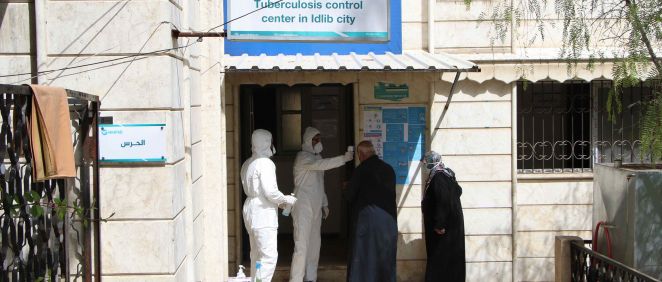
These statements were made at the end of May after it was reported that none of the migrants or refugees in Serbia had tested positive for Covid-19. This is a very important piece of information, given that the European continent, and especially the countries of the Mediterranean basin, are a major destination for refugees and migrants .
This necessitates strict control to guarantee health services and virus detection in refugee camps to ensure sanitary conditions and compliance with hygiene measures to prevent outbreaks that lead to community transmission.
“The WHO is working closely with governments around the world to ensure that supply chains remain open and life-saving health services reach all communities,” added Adhanom Ghebreyesus.
In the specific case of Serbia, instructional materials in seven languages have been distributed to all migrant centers and NGOs working in the country. Personal protective equipment, hygiene products, and disinfectants have also been delivered to migrant and asylum reception centers throughout the country.
THE RISKS OF REFUGEE CAMPS
Refugees and migrants face the same health risks in this pandemic as everyone else, but, due to their circumstances, they may not have access to the basic health services needed to control and treat diseases.
A recent article in The Lancet warned of the growing risks faced by these groups, especially in refugee camps where simple preventative measures such as social distancing or self-isolation are very difficult to implement.
In countries hosting large numbers of refugees and migrants, WHO regional offices are working with national health authorities and other partners to increase their efforts to prevent and control the spread of COVID-19 .
This is the case with the WHO Regional Office for the Eastern Mediterranean. It has developed a monitoring reporting system on the incidence and trends of COVID-19 among displaced populations and those living in camps .
In Bangladesh, the WHO is working with national authorities to ensure the safe departure of nearly one million Rohingya refugees and their communities in the face of multiple threats from Covid-19.
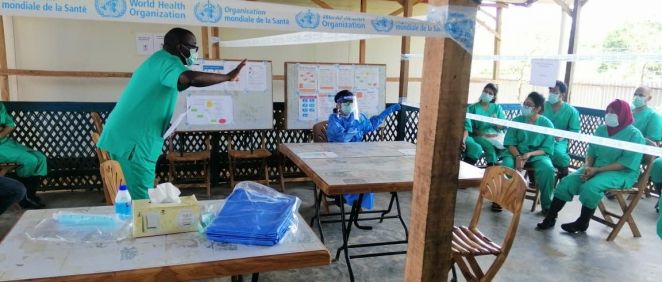
WHO offices in countries such as Djibouti , Sudan , Lebanon , Syria , and Yemen submit weekly reports to the WHO that include any infections and even the possibility of them.
In Bangladesh, the WHO is working with national authorities to ensure the health of nearly one million Rohingya refugees and their community in the face of multiple threats from Covid-19, as well as the consequences of potential cyclones and other diseases associated with the monsoon season.
“It is essential that organizations working with refugees and migrants have access to the technical guidance and resources needed to prevent and control COVID-19 among displaced populations,” said Dr. Zsuzsanna Jakab , WHO Assistant Director-General.
RESOURCE MOBILIZATION
In this way, the WHO has been working with health ministries around the world, but especially with those of countries such as Cambodia , Greece , Lebanon , Mexico , Singapore , Thailand , and Turkey . In Thailand, universal health coverage is available to all migrants and refugees regardless of their legal status.
In Mexico, educational materials have been developed on the prevention, early detection and management of Covid-19 in shelters for migrants and asylum seekers.
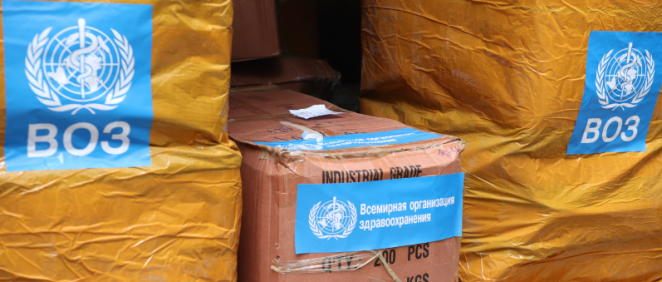
The WHO office in Thailand has mobilized local resources from the Government of Japan to help strengthen surveillance and outbreak response in refugee camps , along with the distribution of protective equipment and basic supplies.
In Mexico , educational materials on the prevention, early detection, and management of COVID-19 have been developed for shelters for migrants and asylum seekers. Migrant reception centers have been identified as areas of potentially higher health risk, and the WHO is working on implementing health protocols for prevention and early detection.
The growing and rapid increase in cross-border population movements has highlighted the need for extensive data collection on the health of migrants and refugees in relation to public health planning.
This is why the WHO is promoting research efforts, evidence gathering, and greater availability of health data on refugees and migrants in each country. The organization suggests some policy considerations to strengthen health monitoring in these underserved communities.