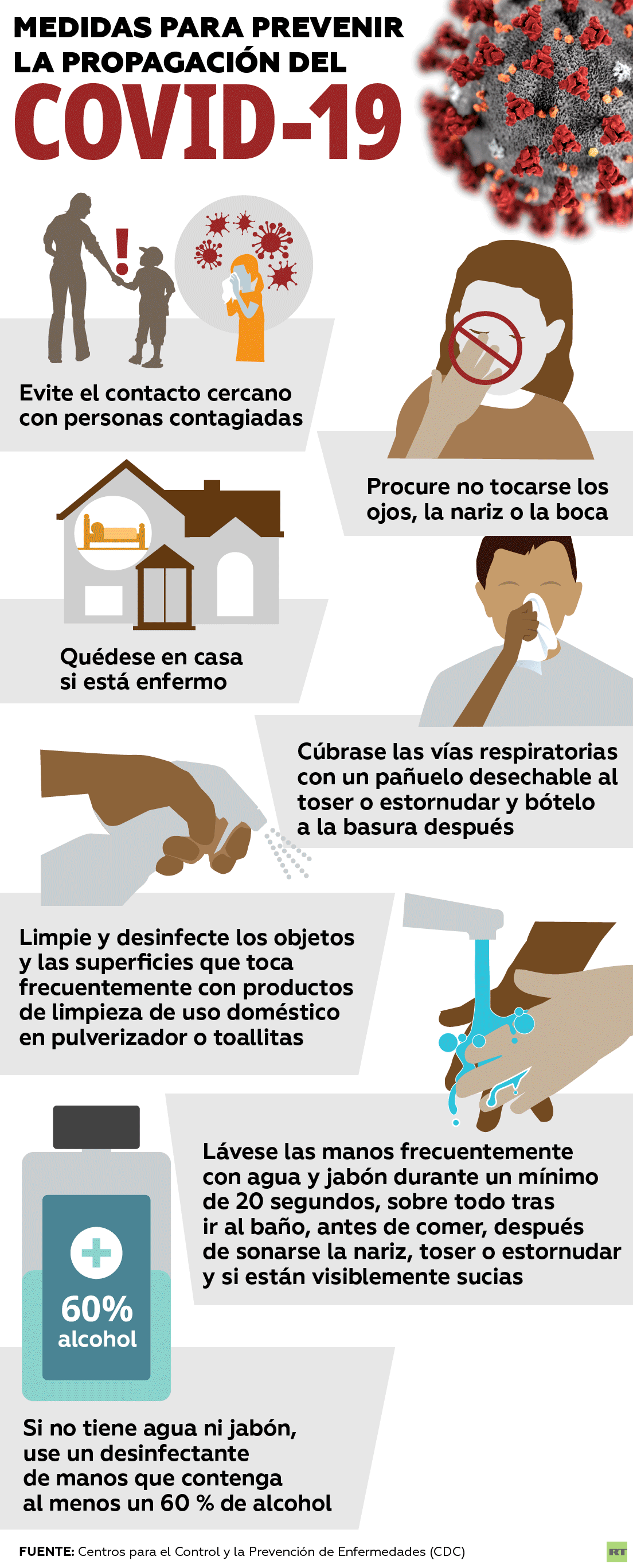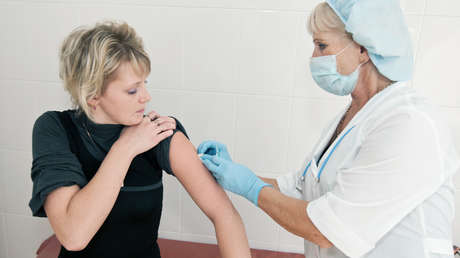
A team of researchers argues that countries where the BCG vaccine is widely administered are less affected by COVID-19.
Lately, various media outlets, including Reuters , Bloomberg, and The New York Times, have been writing about the possibility that a common tuberculosis vaccine—which is administered annually to millions of children in different countries around the world—could combat the new coronavirus.
This is BCG (Bacillus Calmette-Guérin), a vaccine prepared from the bovine tuberculosis bacillus (Mycobacterium bovis) that is mainly spread among cows, but also causes tuberculosis in humans.
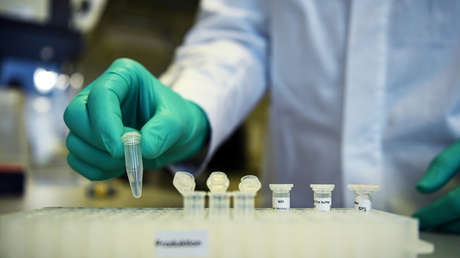
Russia announces the start of trials for a coronavirus vaccine
First used in humans in 1921, it is one of the oldest vaccines in the world. BCG helps prevent the development of severe forms of tuberculosis, so in some countries it is mandatory and is administered to newborns and again later ( depending on local vaccination policies) so that immunity against the disease develops as early as possible.
Where did the idea of the possible effectiveness of BCG against COVID-19 come from?
On March 28, a team of researchers from the New York Institute of Technology released a preprint of their scientific article on the MedRxiv portal regarding the correlation between morbidity and mortality rates in countries where BCG use is widespread and those where the vaccine is optional.
"We found that countries without universal BCG vaccination policies, such as Italy, the Netherlands, and the United States, have been more severely affected compared to countries with universal and long-standing BCG policies," the authors state, defining this vaccine as "a potential new tool in the fight against COVID-19."
This March, several groups of scientists from different countries, including Australia , the Netherlands , and Germany , announced their plans to investigate whether BCG vaccination in adults reduces the risk of contracting the coronavirus.
For example, scientists at the Murdoch Children's Research Institute in Melbourne decided to test the vaccine on some 4,000 local hospital workers to see if BCG can prevent them from getting sick with COVID-19.
It should be noted that the purpose of these studies is not to modify BCG to create a vaccine against SARS-CoV-2. However, if it proves to stimulate natural human immunity against respiratory illnesses (including COVID-19, caused by the coronavirus), it could be used as a protective measure until an effective and safe treatment is developed.
Is there a possibility of success?
The effects of BCG have actually been studied for decades, and it has even been discovered that it can be used as a treatment for bladder cancer. However, neither this fact nor the alleged discovery by the American researchers (which has not yet been peer-reviewed) means that BCG can protect against infection with the novel coronavirus.
The correlation found by US scientists has a clear counterexample: China. In the Asian giant, the BCG vaccine has been administered to newborns since the 1950s; however, it was there that the COVID-19 outbreak originated. According to the country's Health Commission, mainland China has more than 81,600 cases of infection and more than 3,300 deaths, and despite the improving situation, it remains one of the nations most affected by the pandemic worldwide.
However, during the Cultural Revolution in China between 1966 and 1976, tuberculosis prevention and treatment agencies were weakened and even dissolved, so mass vaccination was temporarily suspended at that time. INFOGRAPHIC: This is the danger of violating social distancing during the coronavirus pandemic
"We speculate that this could have created a layer of vulnerable population that would be affected by and spread COVID-19. Currently, however, the situation in China appears to be improving," the study authors state.
So, are people who were vaccinated with BCG in childhood better protected from the pandemic than others? According to Professor Stefan HE Kaufmann of the Max Planck Institute—who leads the German scientific team's research—to date there is no evidence that the protection provided by the BCG vaccine lasts for very long. "I think it lasts about a year," Deutsche Welle quotes him as saying.
In fact, Kaufmann and his colleagues want to test the effectiveness of an improved version of BCG called VPM1002. The scientists plan to test this vaccine on two of the highest-risk groups: the elderly and healthcare workers. If the results are positive—the researchers expect to receive them by next fall—VPM1002 could be available on the market within a few months, Kaufmann predicted.