
By Virginia Schad, PharmD
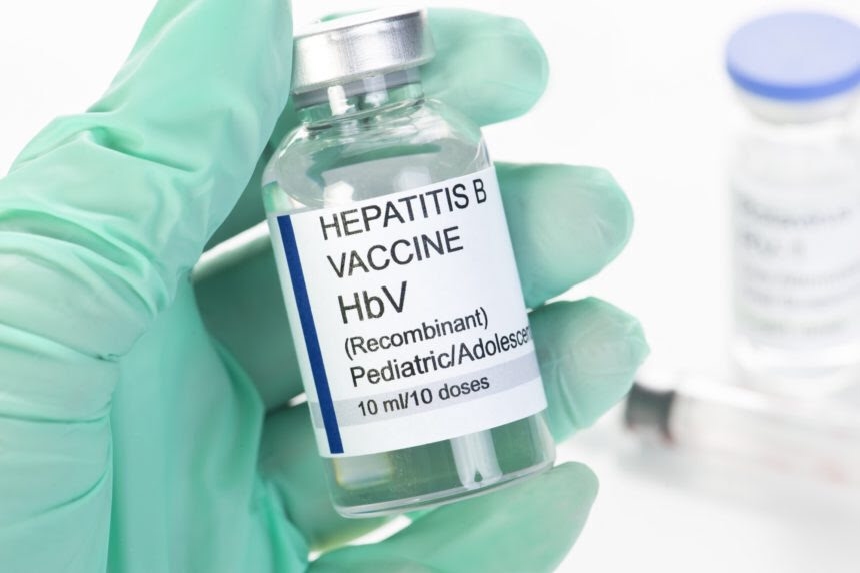
The response to the hepatitis B virus (HBV) vaccine is good in individuals with HIV and, therefore, it should be administered. To aid in the prevention of HBV, to reduce treatment costs, and to prevent HBV/HIV coinfection, according to a retrospective and descriptive study published in The Annals of Hepatology
HBV and HIV share the same transmission route, primarily sexual and parenteral, which contributes to the development of HBV/HIV coinfection. Coinfection accelerates the progression of liver disease, and the risk of progression to AIDS or death is almost twice as high for people with HBV/HIV coinfection compared to those infected with HIV alone. Ideally, people infected with HIV without evidence of immunity to HBV should be vaccinated against HBV shortly after their HIV diagnosis. However, the effectiveness of HBV vaccines gradually declines after age 40, and other factors such as obesity, stress, smoking, and alcohol abuse can also reduce their efficacy. HBV vaccines are also less effective in immunocompromised individuals. The existence of unvaccinated populations poses a significant risk to people with HIV; therefore, researchers evaluated the response to the HBV vaccine in adults with HIV infection in Brazil. Of the 201 patients evaluated who had a complete vaccination schedule, 55.72% were male and the mean age was 43.86 ± 12.68 years. The vaccine response occurred in 80.10% of the patients and was not correlated with age, CD4+ cell count, or viral load.
"It is important that the HBV vaccine be offered to all HIV-positive patients, strengthening protection, prevention, and reducing costs and harm caused with respect to HBV/HIV coinfection," the authors concluded.