
July 30, 2019 Emiliano Rodríguez Mega
The drug-resistant form of the virus has been detected at unacceptable levels in Africa, Asia, and the Americas.
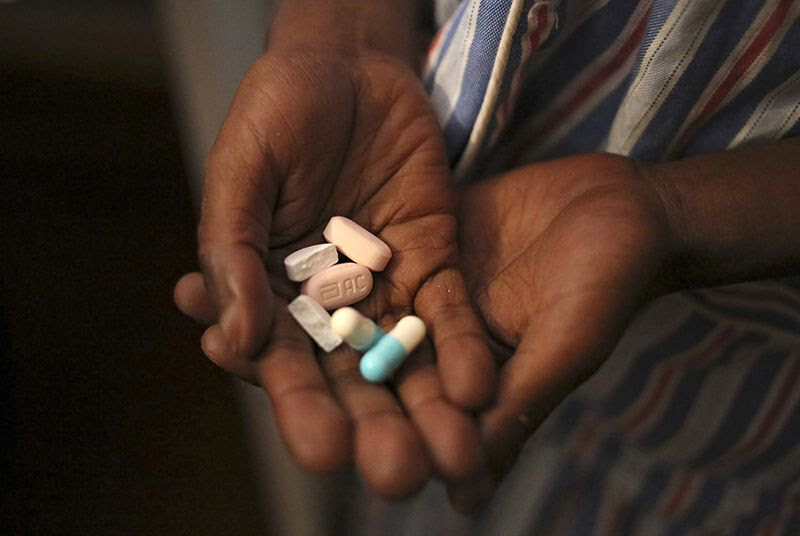
Antiretroviral drugs prevent HIV from replicating in the body. Credit: Siphiwe Sibeko / Reuters
Health authorities have discovered an alarming increase in resistance to crucial HIV medications.
Surveys conducted by the World Health Organization (WHO) reveal that, in the last 4 years, 12 countries in Africa, Asia and America have exceeded acceptable levels of drug resistance against two drugs that form the backbone of HIV treatment: efavirenz and nevirapine.
People living with HIV are usually treated with a cocktail of drugs, known as antiretroviral therapy, but the virus can mutate into a resistant form.
More than 10% of adults with HIV have developed resistance to these medications in 12 countries (see 'Resistance is on the rise'). Above this threshold, prescribing the same HIV medications to the rest of the population is not considered safe, because resistance could increase. Researchers published the findings this month in a WHO report. The WHO conducted surveys between 2014 and 2018 in randomly selected clinics in 18 countries and examined resistance levels in people who had started HIV treatment during that period.
"I think we've crossed the line," says Massimo Ghidinelli, an infectious disease specialist with the Pan American Health Organization in Washington, D.C.
Overall, 12% of the women surveyed had a drug-resistant form of HIV, compared to 8% of the men.
Particularly worrying, the report says, is the high level of resistance in infants with HIV in sub-Saharan Africa. Between 2012 and 2018, approximately half of newly diagnosed infants in nine countries in this region had a form of HIV that was resistant to efavirenz, nevirapine, or both.
The causes of drug resistance remain elusive, says Silvia Bertagnolio, an infectious disease physician with the WHO in Geneva, Switzerland, and co-author of the report. But drug-resistant HIV could develop when people stop treatment, she suggests.
For example, many women living with HIV may have taken antiretroviral drugs during pregnancy to prevent their babies from becoming infected, but stopped after giving birth. The WHO recommended this practice until 2015, when it suggested that pregnant and breastfeeding women use the medication for life.
The prevalence of resistance in people who restarted efavirenz and nevirapine after interrupting treatment was much higher (21%) than in those who used it for the first time (8%).
People living with HIV may stop taking medication for a variety of reasons. Stigma plays a significant role, says Bertagnolio; they may not want to be seen picking up their prescriptions. Drug shortages at clinics could also contribute, the report noted.
In response to the evidence, the WHO has recommended that countries use dolutegravir, which is more effective and better tolerated than other therapies, such as the HIV drug. The likelihood of the virus developing mutations and, ultimately, resistance is lower with dolutegravir than with other antiretrovirals, says Roger Paredes, an infectious disease specialist at the Germans Trias i Pujol University Hospital in Barcelona, Spain. “We need to encourage a global transition to dolutegravir,” he adds.
Bertagnolio agrees, but urges caution. If the treatment is administered poorly or inconsistently, resistance could develop. "We don't want to find ourselves in the same situation we're in now."
doi:10.1038/d41586-019-02316-x
From: https://www.nature.com/articles/d41586-019-02316-x