
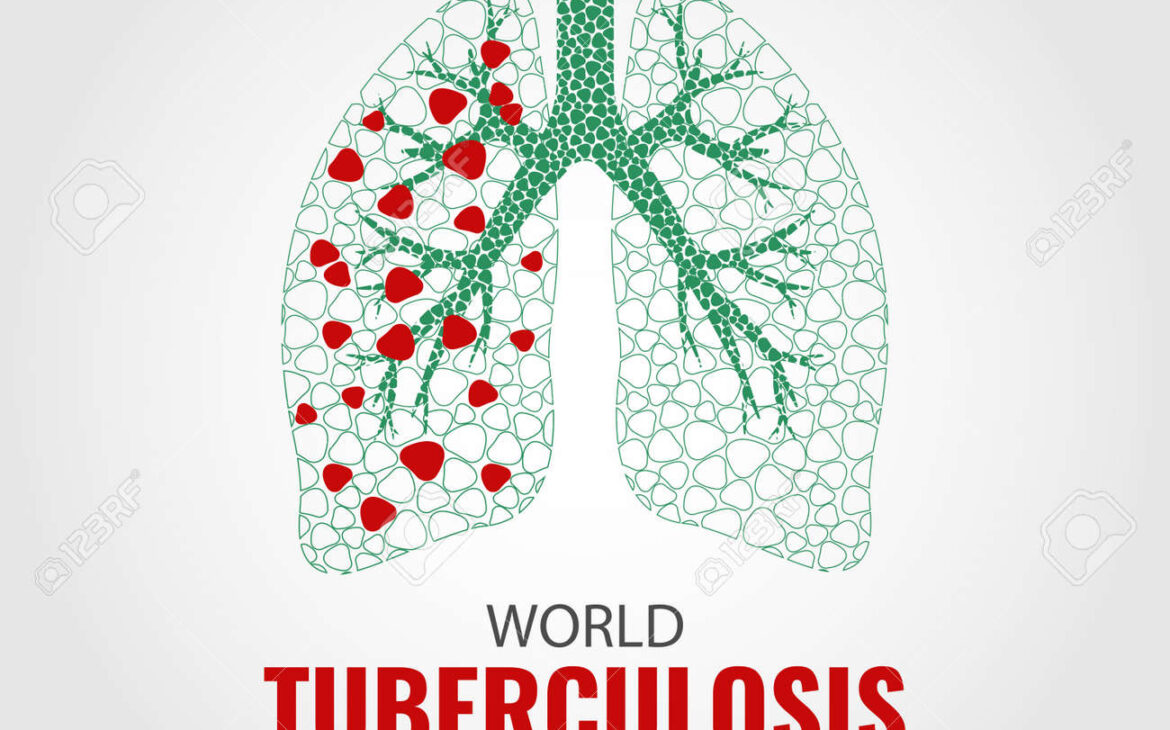
On the occasion of World Tuberculosis Day, the World Health Organization (WHO) announces the extension of the WHO Director-General's flagship TB initiative for the period 2023-2027, with the aim of accelerating progress towards ending TB and achieving universal health coverage (UHC) by 2030.
Tuberculosis remains one of the leading infectious causes of death worldwide, causing 1.6 million deaths annually and affecting millions more, while also having a profound impact on families and communities. The COVID-19 pandemic, coupled with ongoing crises such as armed conflict, food insecurity, climate change, and political and economic instability, has reversed years of progress in the fight against tuberculosis. Last year, for the first time in nearly two decades, the WHO reported an increase in the number of people who had contracted tuberculosis and drug-resistant tuberculosis, along with a rise in deaths.
“Tuberculosis is preventable, treatable, and curable, yet this age-old scourge that has plagued humanity for millennia continues to cause suffering and death to millions of people every year,” said Dr. Tedros Adhanom Ghebreyesus, WHO Director-General. “WHO is committed to supporting countries to scale up their response, expanding access to TB prevention, detection, and treatment services as part of their journey toward universal health coverage, and to strengthen their defenses against epidemics and pandemics.”
The WHO Director-General’s Tuberculosis Initiative builds on progress made and lessons learned from 2018–2022. It aims to expand the delivery of quality care to people living with tuberculosis through equitable access to WHO-recommended rapid diagnostic tests, shorter all-oral treatment for infection and disease, increased access to social protection, and other innovations, such as digital health tools.
The initiative underscores the urgent need to increase national and international investment in tuberculosis services, research, and innovation, particularly in the development of new vaccines. It calls for tuberculosis services and programs, especially in countries with a high burden of the disease, to be recognized as an essential component of health systems, and for primary care and pandemic preparedness and response to be strengthened.
The Director-General’s flagship initiative aims to boost multisectoral action and accountability to address the main drivers of the tuberculosis epidemic: poverty, undernourishment, diabetes, HIV, tobacco and alcohol use, and poor living and working conditions, among others. Expanding its reach is both necessary and timely as international partners prepare for the upcoming UN High-Level Meeting on Tuberculosis.
This year, the theme of World Tuberculosis Day is "Yes, we can end TB!", with the aim of promoting optimism and high-level leadership, increased investment, rapid adoption of new WHO recommendations and the strengthening of multi-sectoral partnerships to combat the TB epidemic.
As part of the Director-General's flagship initiative, WHO and its partners have made a special call to action urging Member States to accelerate the implementation of the new, shorter, all-oral treatments recommended by WHO for drug-resistant tuberculosis.
Drug-resistant tuberculosis remains a pressing public health problem that significantly impacts people with tuberculosis, communities, and health systems worldwide. In 2021, nearly half a million people fell ill with multidrug-resistant or rifampicin-resistant tuberculosis (MR-TB/RR-TB), and only one in three had access to treatment.
The new WHO guidelines on the treatment of drug-resistant tuberculosis recommend the rapid implementation of the novel BPaLM/BPaL treatment, which has the potential to significantly increase cure rates due to its high efficacy, offer wider access due to its lower cost, and improve the quality of life of patients, as it is a completely oral treatment and much shorter than traditional treatments.
“2023 offers us an opportunity to accelerate the agenda to end tuberculosis,” said Dr. Tereza Kasaeva, Director of the WHO Global Tuberculosis Programme. “On World Tuberculosis Day, WHO is calling for strong political commitment at the highest level, robust multisectoral collaboration that extends beyond the health sector, and an effective accountability system. We need everyone—individuals, communities, societies, donors, and governments—to do their part to end tuberculosis. Together, yes, we can end tuberculosis.”
In September 2023, the United Nations General Assembly will convene three high-level meetings focused on universal health coverage, pandemic preparedness and response, and ending tuberculosis. There are clear links between these agendas, and Heads of State will deliberate on how to accelerate action, particularly to achieve the goal of ending tuberculosis.