
By Molly Walker, Associate Editor and Crystal Phend, Senior Editor, MedPage Today
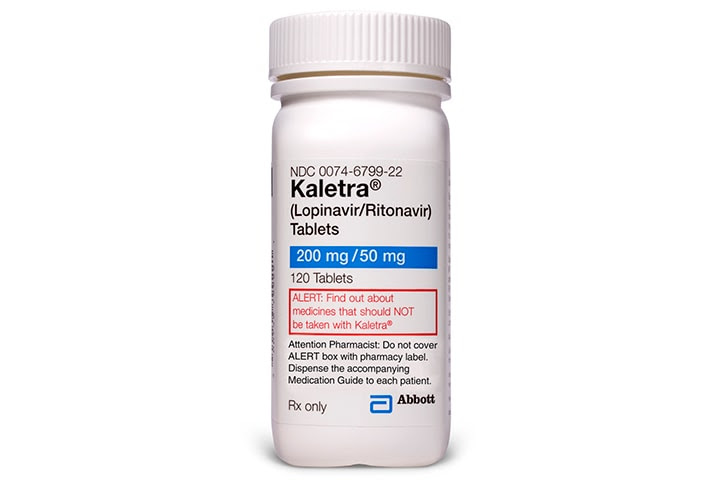
In an open-label study, researchers found no benefit from lopinavir-ritonavir (Kaletra), a protease inhibitor primarily used in the treatment of HIV, in the treatment of hospitalized patients with COVID-19 coronavirus infection.
There were no differences in time to clinical improvement between hospitalized COVID-19 patients treated with lopinavir-ritonavir compared to the group treated with standard care (HR for clinical improvement 1.24, 95% CI 0.90-1.72), reported Bin Cao, MD, of the National Clinical Research Center for Respiratory Diseases in Beijing, and colleagues.
Both 28-day mortality rates and the percentages of patients with detectable viral RNA were also similar in both groups, the authors wrote in the New England Journal of Medicine .
Some centers and even national guidelines, such as those in Italy, have recommended lopinavir-ritonavir treatment for patients with COVID-19 infection. In fact, early reports from doctors in Thailand indicated improvements among patients with severe symptoms who were treated with a regimen that included this drug, leading to anecdotal reports from China of HIV patients unable to access the drug due to its demand for COVID-19 treatment.
Cao and colleagues also pointed to a 2004 open-label study in which adding lopinavir-ritonavir to ribavirin reduced the risk of adverse clinical outcomes, such as acute respiratory distress syndrome or death, and viral load among patients with SARS.
"It's easy to understand that these patients need antivirals, but unfortunately, so far there is no solid, evidence-based data showing a specific antiviral therapy," Cao said.
In the current study, researchers examined data from hospitalized adult patients with confirmed COVID-19 infection and an oxygen saturation of 94% or less. Patients were randomly assigned to receive lopinavir-ritonavir twice daily for 14 days in addition to standard care (defined as supplemental oxygen, non-invasive and invasive ventilation, antibiotic agents, vasopressor support, renal replacement therapy, and extracorporeal membrane oxygenation, as needed).
Clinical improvement was defined as the time from randomization to a two-point improvement on an ordinal scale or hospital discharge. The authors noted that this endpoint had been previously used in clinical trials of hospitalized patients with severe influenza.
Overall, 199 patients were randomly assigned: 99 to the lopinavir-ritonavir group and 100 to the standard of care group. The median age was 58 years, and approximately 60% were male. The median time interval between symptom onset and randomization was 13 days. Systemic glucocorticoids were administered to 33% of patients in the intervention group and to 35.7% of patients in the control group.
A modified intention-to-treat analysis found that lopinavir-ritonavir was associated with a median shorter clinical improvement of 1 day (HR 1.39, 95% CI 1.00–1.91). Interestingly, the intervention group also had a shorter stay in the intensive care unit compared to standard care (median 6 vs. 11 days, respectively), and the time from randomization to hospital discharge was also shorter.
“What makes lopinavir-ritonavir particularly attractive is that it is widely available, can be manufactured at scale, and can be prescribed immediately,” noted Lindsey Baden, MD, of Brigham and Women’s Hospital in Boston, and Eric Rubin, MD, PhD, of the Harvard Chan School of Public Health, in an accompanying editorial . While they called the trial a “heroic effort,” it was ultimately “disappointing.” The secondary endpoints “provide both a reason for hope and a reason for discouragement,” they added, noting the somewhat lower number of deaths with lopinavir-ritonavir but no discernible effect on viral clearance. “Given that the drug is supposed to act as a direct inhibitor of viral replication, the failure to suppress viral load and the persistent detection of viral nucleic acid strongly suggest that it did not have the desired activity.”
The negative results could have been due to the selection of a "particularly challenging" population at the end of the infection with considerable tissue damage. "Even highly active antibacterial agents have limited efficacy in advanced bacterial pneumonia," Baden and Rubin noted.
In addition, several patients were enrolled before the viral detection test was fully defined.
However, the trial has an important lesson, they wrote: "[It is not clear that high-quality, rapid-start randomized clinical trials are possible under epidemic conditions, even in the difficult circumstances that prevailed in Wuhan.]"
Cao and colleagues found that approximately half of the patients in both groups reported adverse events (AEs). While gastrointestinal AEs, such as nausea, vomiting, and diarrhea, were more common in the intervention group, more serious AEs were reported in the standard care group (19 vs. 32, respectively). In the standard care group, respiratory failure, acute kidney injury, and secondary infection were more common. The four serious gastrointestinal adverse events in the lopinavir-ritonavir group were considered to be related to the study medication, the authors said.
In addition to the open-label design, other limitations included that the intervention group had somewhat higher throat viral loads, raising "the possibility that this group has more viral replication," the authors said. The use of glucocorticoids may have been another confounding factor, they added. n: https://www.medpagetoday.com/infectiousdisease/covid19/85499
They concluded that, while they found no benefit for lopinavir-ritonavir in treating COVID-19 infection, "the effect of combining the drug with other antiviral agents, similar to what was done in SARS and MERS," has yet to be determined.
From: https://www.medpagetoday.com/infectiousdisease/covid19/85499