
By Samir Patel, MD
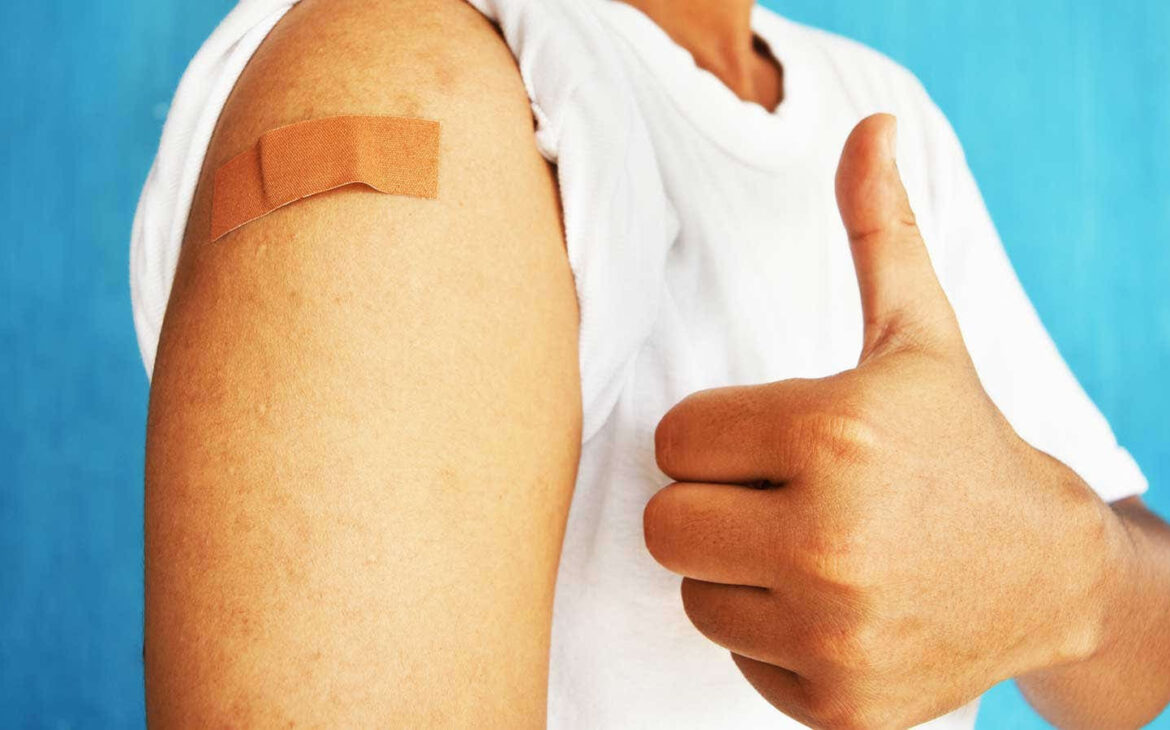
Sometimes, life presents you with the opportunity to take a stand. Helping to spread the truth about how to accurately combat COVID-19 is one of them. In my case, choosing to be part of the Pfizer booster study and recently receiving a third shot of COVID-19 is another. It warms my heart that so many people, whether healthcare workers or not, are trying to do their part in the fight against the COVID-19 pandemic.
While I have felt it is my duty as a doctor to do everything possible to combat this pandemic, countless people simply do not feel that way. I wonder, how can we motivate a change in behavior among those who haven't done their part?
Deciding to participate in the booster test
For me, choosing to be part of Pfizer's initial trial was simple. For others who decided to participate, it wasn't so easy: my sister was quite scared (she was just joking, sort of). As a prominent breast radiologist in her own right, we both discussed how, regardless of the side effects, being offered the opportunity to participate in a vaccine trial that would help people wasn't a gamble and was something we simply had to do.
We've never seen a variant as alarming as Delta, but if history has taught us anything, this won't be the last. Until people get vaccinated, wear masks, and practice social distancing, this vicious cycle will continue.
So when Pfizer's clinical research representatives called and offered me the opportunity to be part of the booster trial, I again didn't hesitate to respond to what I felt was my duty. The first two vaccines left me feeling unwell, with muscle aches and fatigue that was easily countered by a good weekend of sleep. I figured the booster dose would simply mask the side effects of the first two doses. For the most part, it did (exacerbated a bit by ongoing mental fatigue from work). Since then, I've felt completely normal physically, and mentally, I feel even better, knowing I might have an extra layer of protection against particularly infectious COVID-19 variants.
The FDA has just authorized booster shots for certain immunocompromised individuals, and it's possible the general population will need them in the future as well. For me, the extra day of fatigue was worth it to have contributed to the science of boosters.
Encourage others to do their part
So here we are, with roughly half the country vaccinated, half not. The numbers don't lie: hospital beds are filling up once again with COVID-19 patients, largely due to the individualistic mindset of the predominantly unvaccinated people occupying those beds. The stress on healthcare providers is mounting again, this time due to the devastating effects of the virus on those who don't believe it actually exists or don't see how vaccination can benefit the common good as well as themselves. Misinformation is rampant. Until it reaches people's homes, they tend to believe what they want to believe. At the opposite end of the spectrum, people who believe in science are overflowing with frustration.
I was born and raised, and now live and work, in a small town where lies about vaccines, vaccine hesitancy, and the lack of a mask mandate prevail. Bold bumper stickers and an "elevated" sense of American patriotism tend to dictate the rules. During the pandemic, I discovered that it can be difficult to connect with certain patients, regardless of the approach I use, even when sharing scientifically sound information. I know many other providers feel this way too: working day after day on the front lines, witnessing the deadly toll of the virus, and feeling powerless in our quest to uphold scientific truths. I found that, for some reason, an overabundance of information leads to fear, and this fear has been shown to spread like wildfire. Social media and its often sad "politics" are the guiding diatribe over the educated dialect of the physician.
When discussing everyone's role during the pandemic, one approach I've used with patients, and found helpful, begins with the analogy of driving a car. Some people choose to wear seat belts, and others don't. However, each group can still be involved in an accident. Typically, those who wear seat belts are less severely injured than those who don't. But that doesn't mean either group can drive recklessly, as they can still cause accidents that are potentially harmful to others. We need to keep reminding patients of the role they play in the greater good. Honesty is the best policy, but sometimes being honest isn't what people want to hear. However, if it can save patients and their families from a lifetime of suffering, I believe it's always justified.
This fight is not easy. It is painful, difficult, and frustrating. Was it pleasant to feel exhausted for another 24 hours after my third dose when millions are refusing their first and second doses? Not at all. Is it easy to maintain a positive attitude while explaining over and over again to vaccine-hesitant patients that the vaccine is safe and effective? Absolutely not. Yet we cannot give up. While we must be the ones who lead by example, we will inevitably be the ones who suffer for some time. But in the end, we can make a difference. We can be the ones who calmly and patiently discuss with patients their role in the pandemic. And one by one, patient by patient, we can vaccinate every patient.
When discussing everyone's role during the pandemic, one approach I've used with patients, and found helpful, begins with the analogy of driving a car. Some people choose to wear seat belts, and others don't. However, each group can still be involved in an accident. Typically, those who wear seat belts are less severely injured than those who don't. But that doesn't mean either group can drive recklessly, as they can still cause accidents that are potentially harmful to others. We need to keep reminding patients of the role they play in the greater good. Honesty is the best policy, but sometimes being honest isn't what people want to hear. However, if it can save patients and their families from a lifetime of suffering, I believe it's always justified.
From: https://www.medpagetoday.com/opinion/second-opinions/94056