

Why do acts of homophobia occur?
Homophobic acts are hate crimes motivated by a person's sexual orientation or gender identity. These acts can include harassment, discrimination, physical or verbal violence, and other forms of abuse. The consequences of these acts can be devastating for victims, causing emotional, physical, and psychological harm, as well as social problems and…

Nutrition for people living with HIV
By Andy Carstens. HIV has become a manageable chronic condition. As a result, developing healthier diet and nutritional practices can improve a person's overall health. Nutrition is one of the four facets of a person's well-being, says Jamie Garry, MS, RD, LDN, senior clinical research dietitian at the…

Responsible Parenthood: An Unfinished Task in Latin America
The absence of the father in the home is a reality for many in Latin America, influenced by factors such as labor migration, divorce, and violence. This absence has significant consequences for children's emotional and cognitive development, increasing the risk of psychological disorders and learning difficulties. Single-parent families, mostly headed by women,…

Euthanasia: A Meeting Point Between Autonomy and Ethical Principles
Euthanasia represents one of the most polarized debates globally, situated at the intersection of individual autonomy and profound ethical dilemmas. This procedure, which seeks to intentionally end a patient's life to alleviate their suffering, has been legalized in countries such as the Netherlands, Belgium, Canada, Spain, and Colombia, among others, under…

What is an HIV Elite Controller?
By John Jesitus, MA. Also called “natural controllers” or “spontaneous controllers,” elite HIV controllers may seem like the lottery winners of HIV prevention, treatment, and research. Once exposed to HIV, an elite controller’s immune system blocks the virus, so these extremely rare individuals…

CRISPR HIV gene therapy appears safe, but does it work?
The first three people to receive the experimental therapy experienced no serious adverse effects or toxicities. By Liz Highleyman. EBT-101, a novel CRISPR gene-editing therapy from Excision BioTherapeutics, showed no serious adverse effects in the first three study participants treated, researchers reported at the European Society for Biotherapy annual meeting…

"Study on Gay and Bisexual Immigrant Men Living with HIV in France: High Acquisition Rates After Migration"
A study of foreign-born gay and bisexual men living with HIV in France has concluded that 62% of them acquired HIV after moving to the country. The study was presented at the 19th European AIDS Conference (EACS 2023), held in Warsaw, Poland. The men, primarily from North Africa and…
Clinical challenges: benefits and barriers to long-acting HIV treatment
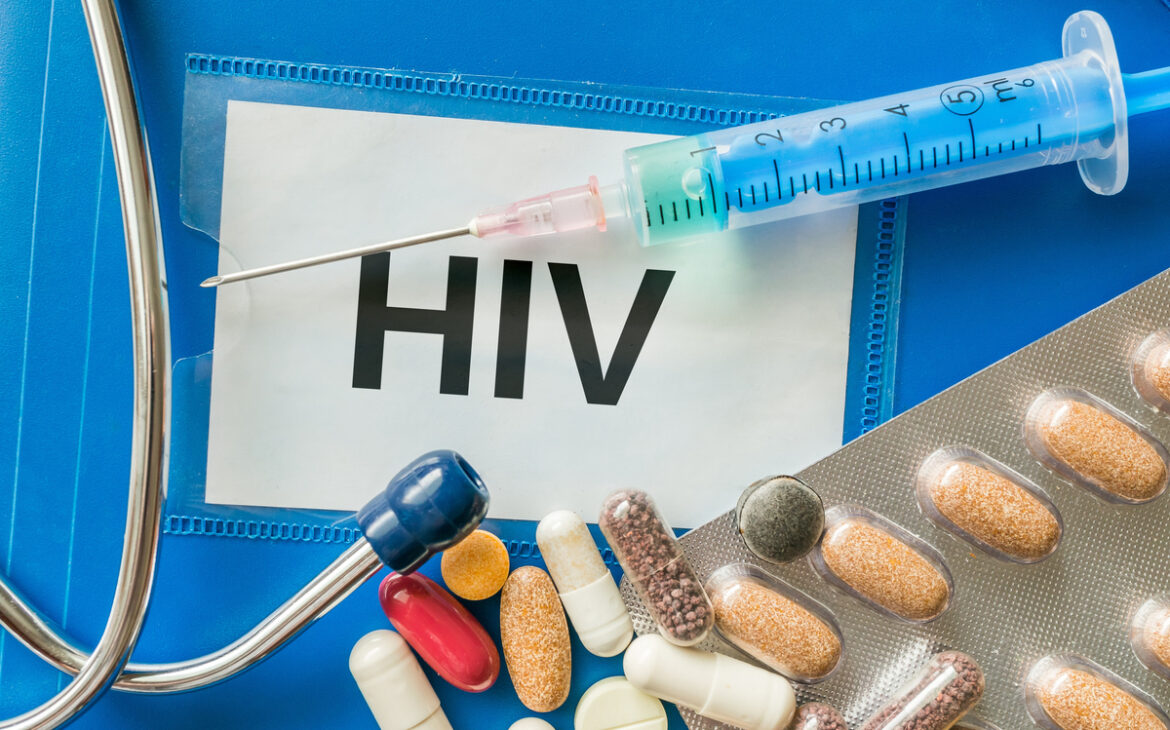
Therapies Can Improve Adherence in More Challenging Populations By Molly Walker The arrival of injectable long-acting antiretroviral therapy (ART) has ushered in a new option for providers and patients with HIV, though limitations on its use may present new challenges. “Ultimately, it’s about…
A man controls HIV for 23 years after a brief treatment
By Zekerie Redzheb Amsterdam, Netherlands. Jan van der Wolf/Shutterstock.com Very few people with HIV can control the virus without treatment; some can suppress the virus from the start, while others manage to control it with the help of initial antiretroviral therapy. This is the case of a man who has been effectively controlling the virus for 23 years after…

Does the use of Paxlovid in adults and children reduce the incidence of long COVID?
By John Parkinson. It has been suggested that the therapeutic use of nirmatrelvir/ritonavir (Paxlovid) for acute COVID-19 infection decreases the incidence of post-COVID conditions (PCC) or long COVID. However, there is limited data on this topic, and most of it pertains to specific age groups and populations. A new, large observational study using data…

HPV vaccination rates are low among people with HIV
By Ethan Covey. HPV vaccination rates among people with HIV may be low, especially among patients who may have “aged” according to HPV recommendations, according to data presented at IDWeek 2023. “The HPV vaccine is recommended for all adults with HIV up to age 26, and…”
Six reasons why global temperatures are rising right now
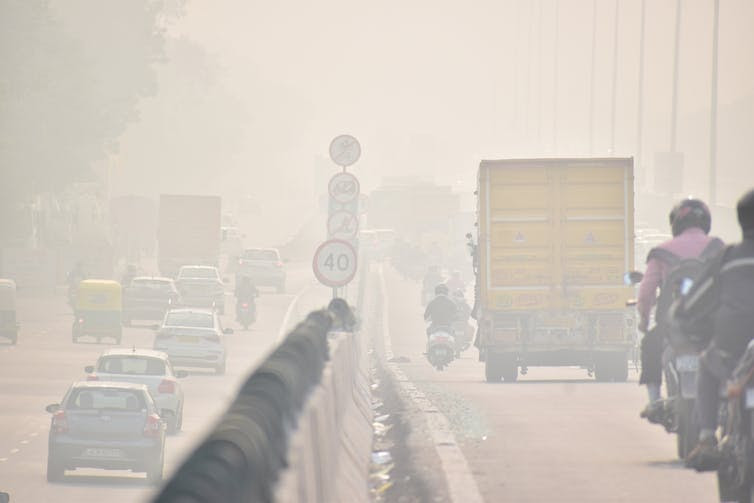
By Andrés Rey, Professor of Climate Science, University of Melbourne. The world is very warm right now. Not only are we seeing record temperatures, but records are being broken by record margins. Take, for example, the preliminary anomaly in the global average temperature for September, which is 1.7°C above pre-industrial levels. This is a…
The CDC proposes the morning-after pill to prevent STIs
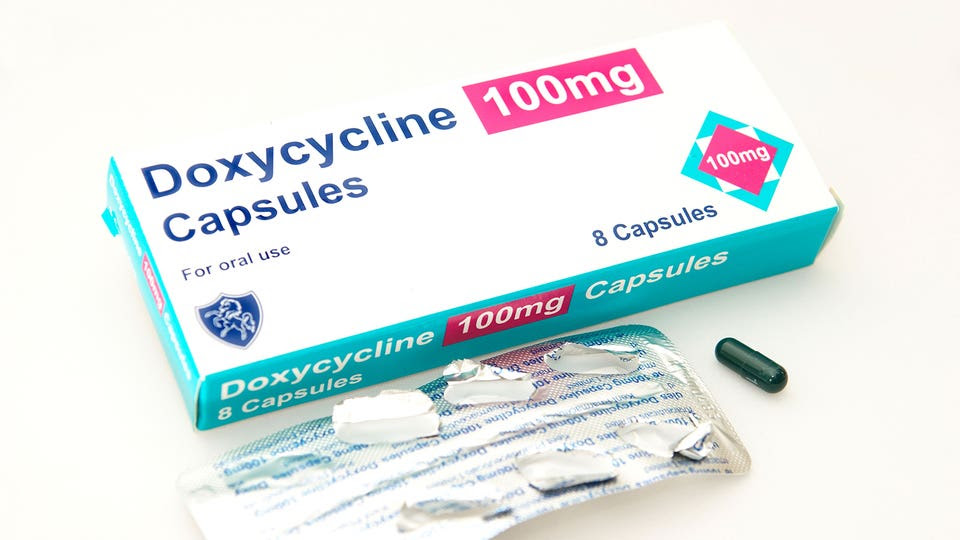
As infections rise, so does the evidence supporting doxycycline in high-risk groups. By Kristina Fiore. The CDC has decided to recommend doxycycline post-exposure prophylaxis (PEP) for gay, bisexual, and transgender men and women to prevent sexually transmitted infections (STIs). With a growing body of evidence showing…

Long-acting cabotegravir-rilpivirine for people not receiving oral therapy: Is it time to change treatment guidelines?
By Paul Sax. It's understandable that HIV treatment guidelines are reluctant to endorse practices with limited data. Having served on two such panels (formerly the DHHS and currently the IAS-USA guidelines), I fully understand this: you don't want to put a stamp of approval on strategies that ultimately…
The Nipah virus is not “new”: there are periodic outbreaks in several Asian countries
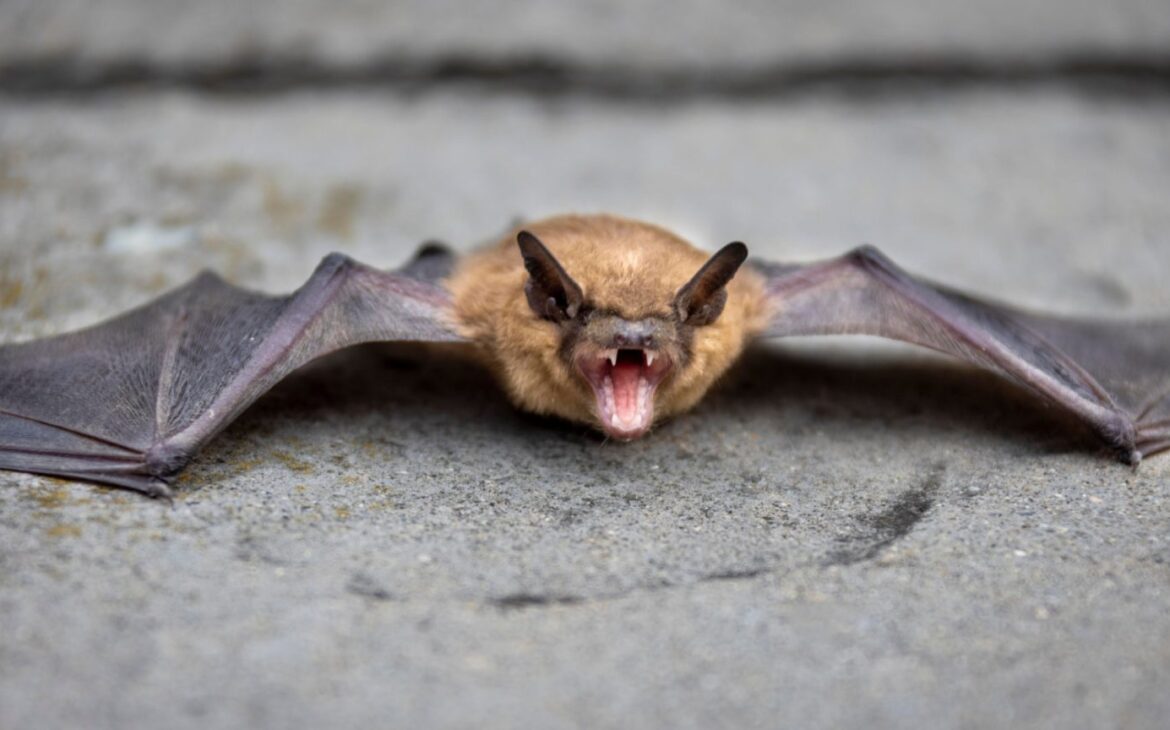
The outbreak of this pathogen reported last week in India is not a “new” virus, nor is there any alert, at the moment, of an “imminent pandemic.” By María G. Dionis. On September 13, an outbreak of the Nipah virus was reported in the state of Kerala, India, which has already caused two deaths. According to reports…

The New Strategy to Address Environmental Challenges
The interaction between humans and animals involves the sharing of approximately 300 infectious diseases, and new ones appear every year, most of which are zoonoses. According to information provided by the World Organisation for Animal Health, more than 60% of infectious diseases in humans originate in animals. This percentage increases to 75%…